



FDA Grants Full Approval to KBro Vet CA-1 Chewable for Dogs with Idiopathic Epilepsy
Big news in veterinary neurology: the U.S. Food and Drug Administration (FDA) has granted full approval to KBroVet® (potassium bromide chewable tablets) for the control of seizures in dogs diagnosed with idiopathic epilepsy. This makes it the first FDA approved medication for idiopathic epilepsy in dogs.
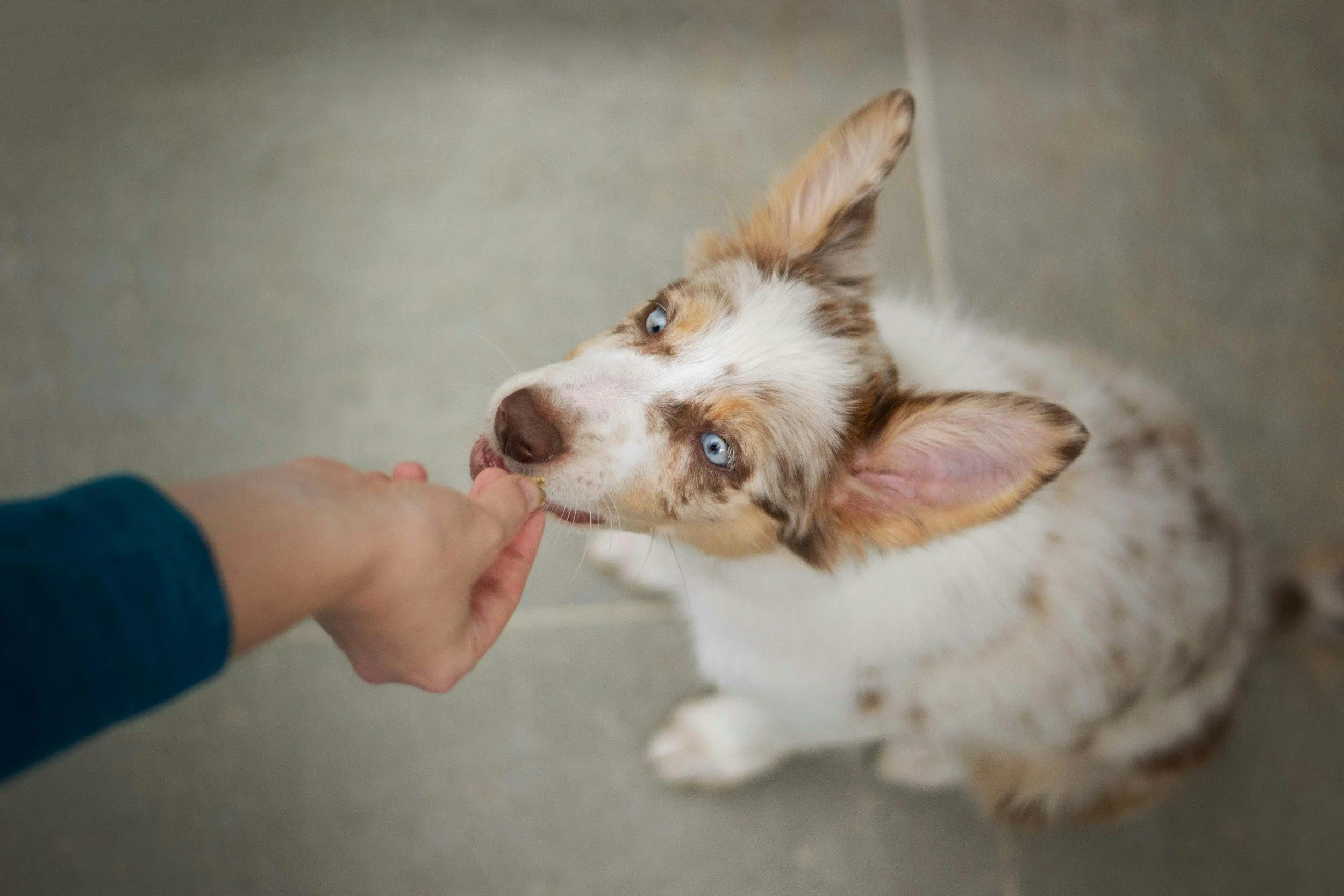
FDA Grants Full Approval of a Drug to Control Seizures in Dogs with Idiopathic Epilepsy
The U.S. Food and Drug Administration has granted full approval to KBroVet (potassium bromide chewable tablets) for the control of seizures in dogs with idiopathic epilepsy, a type of seizure disorder without a known cause.

KBroVet-CA1: The Convenient, Conditionally FDA-Approved Solution for Canine Seizure Control
KBroVet-CA1 has redefined the veterinary approach to canine idiopathic epilepsy by combining scientific validation with practical administration. Its conditional FDA approval bridges a critical gap between unregulated supplements and human-adapted medications, offering a purpose-built solution for canine patients.

What You Should Know About KBroVet®-CA1: The Once-Daily Option for Canine Epilepsy
Now, with the introduction of KBroVet®-CA1 by PRN Pharmacal, veterinarians have a new, promising solution. This is the first FDA-conditionally approved potassium bromide medication designed specifically for dogs with idiopathic epilepsy—and it brings with it a host of advantages for both clinicians and clients.

Exploring the Link Between Epilepsy and Sleep Disturbances in Dogs: What Every Veterinarian Should Know
The relationship between epilepsy and sleep has been widely studied in humans, but what about our canine companions? A groundbreaking study by Alejandra Mondino, Julie Nettifee, and Karen R. Muñana delves into the sleep patterns of dogs with idiopathic epilepsy (IE) and compares them to healthy, non-epileptic dogs. Their findings highlight significant sleep disturbances in dogs with epilepsy, underscoring the importance of managing both seizure activity and sleep quality in veterinary care.

Unlocking the Canine Brain: New Imaging Technology Offers Hope for Dogs with Epilepsy
Idiopathic epilepsy (IE) is the most common neurological disorder in dogs, affecting countless pets and their owners worldwide. While anti-seizure medications (ASMs) are often prescribed to manage the condition, nearly one-third of dogs with IE remain resistant to treatment, leaving veterinarians and pet parents searching for better diagnostic and therapeutic solutions. Now, cutting-edge research is exploring a revolutionary imaging technique that could transform how veterinary medicine approaches this complex disease.