


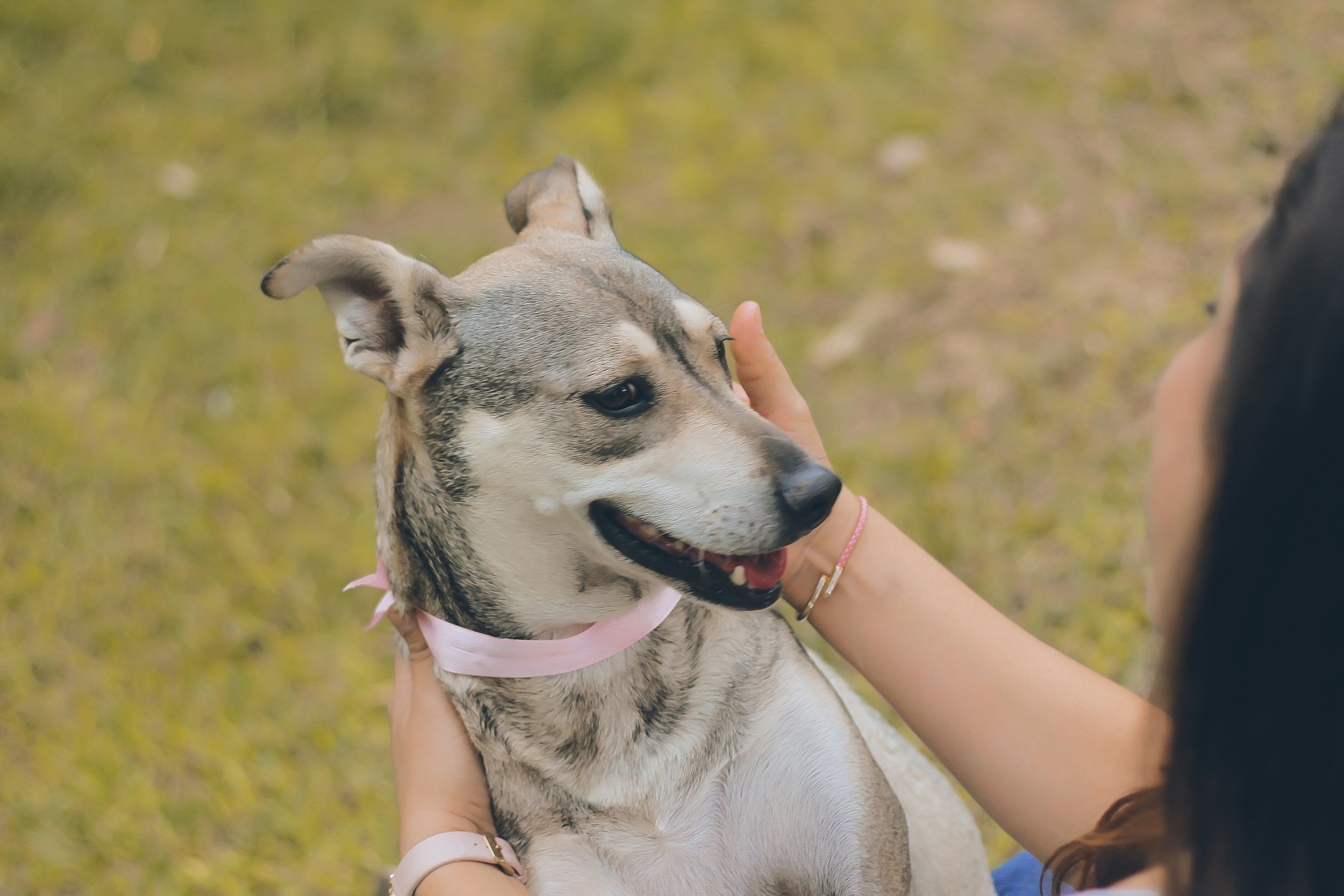
Heads or tails: Does it matter what part of a dog gets patted?
New research from UBC Okanagan suggests that when it comes to boosting wellbeing, it does not matter which part of a dog students interact with—just that they do.
Dog behavioral traits are linked with salivary hormone cortisol and neurotransmitter serotonin
Dogs who scored well on the Wesen test, which is used to analyze a dog’s temperament, tended to have lower levels of cortisol, often called the “stress hormone,” and higher levels of serotonin, often called the “happiness hormone.”
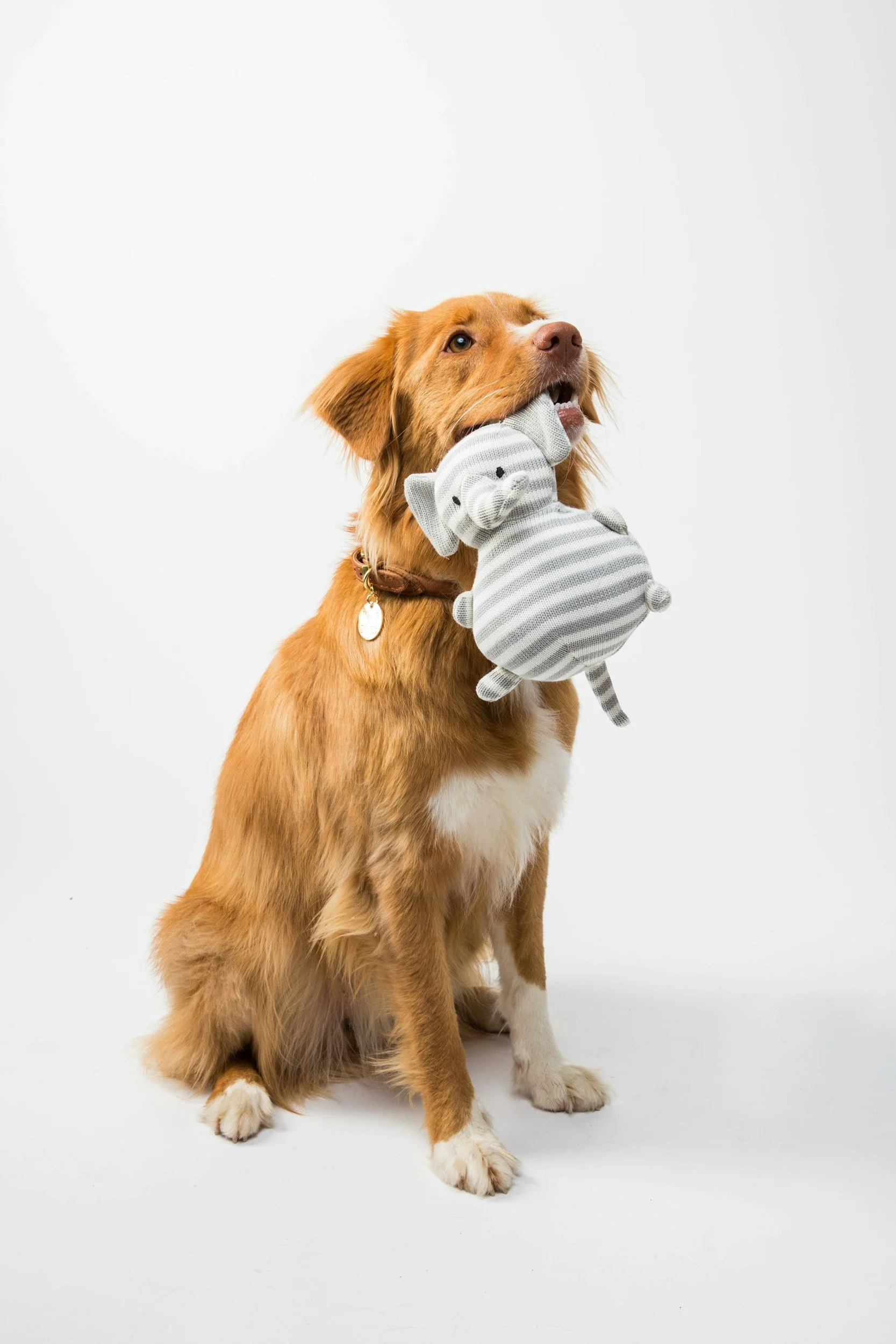
Dogs Don’t Care What It Looks Like—They Learn Words by What It Does!
A new study publishing in Current Biology on September 18 by the Department of Ethology at Eötvös Loránd University reveals that dogs with a vocabulary of toy names—known as Gifted Word Learners—can extend learned labels to entirely new objects, not because the objects look similar, but because they are used in the same way.