


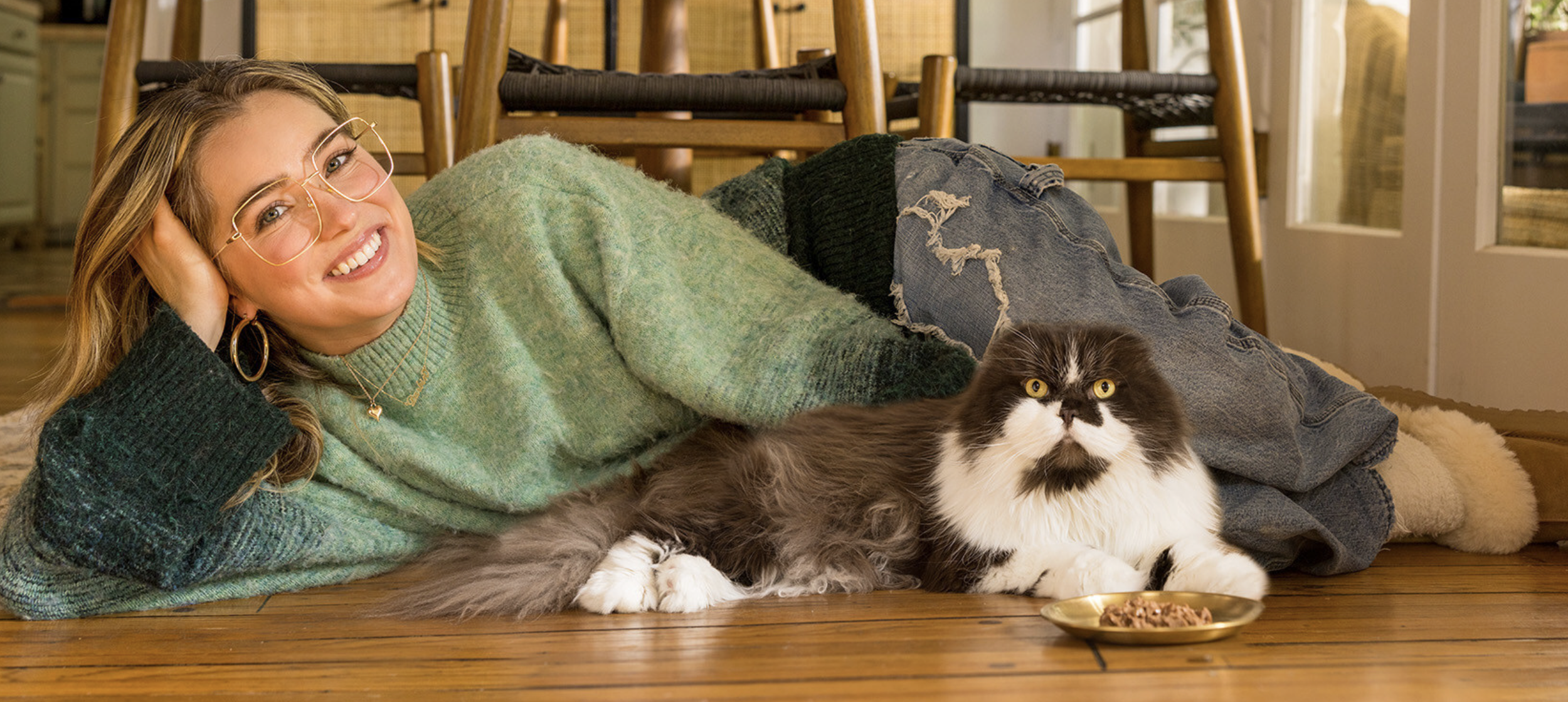
Your Cat Probably Does Love You. It Just Has a Terrible Way of Showing It.
Sheba, the Mars-owned cat food brand, just launched a campaign called Ignored to Adored, a 12-day program promising to help cat owners strengthen their bond with their cats through the right food and the right approach. It features actress Haley Lu Richardson, who got a tattoo of her cat Darbin and wrote him a poem, and whose cat, by all accounts, remains completely unmoved.
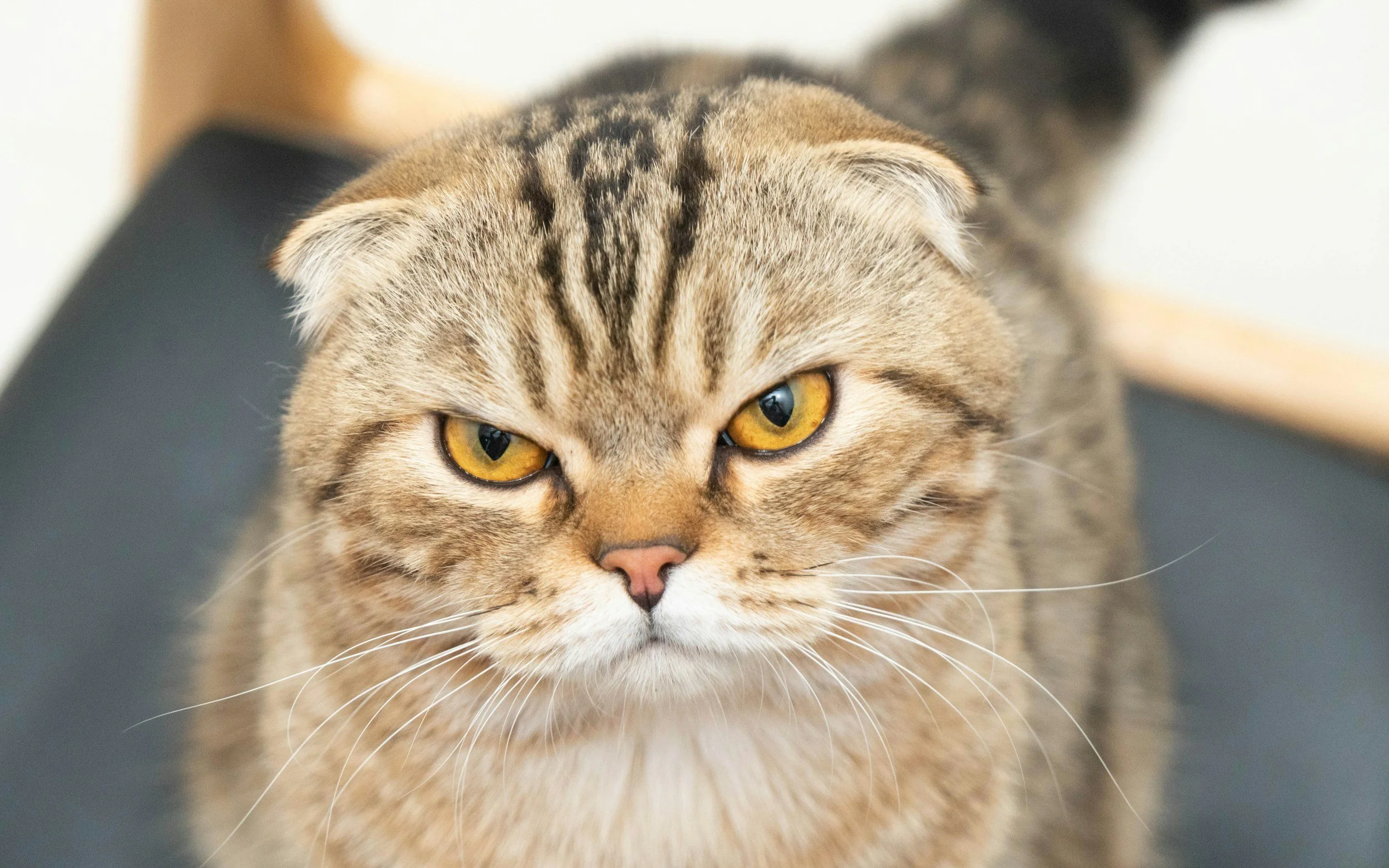
New Research Confirms What Veterinarians Have Always Suspected: Most People Cannot Read a Stressed Cat
A study of nearly 2,000 participants found that human ability to recognize feline stress from visual cues is better than chance but not by much.
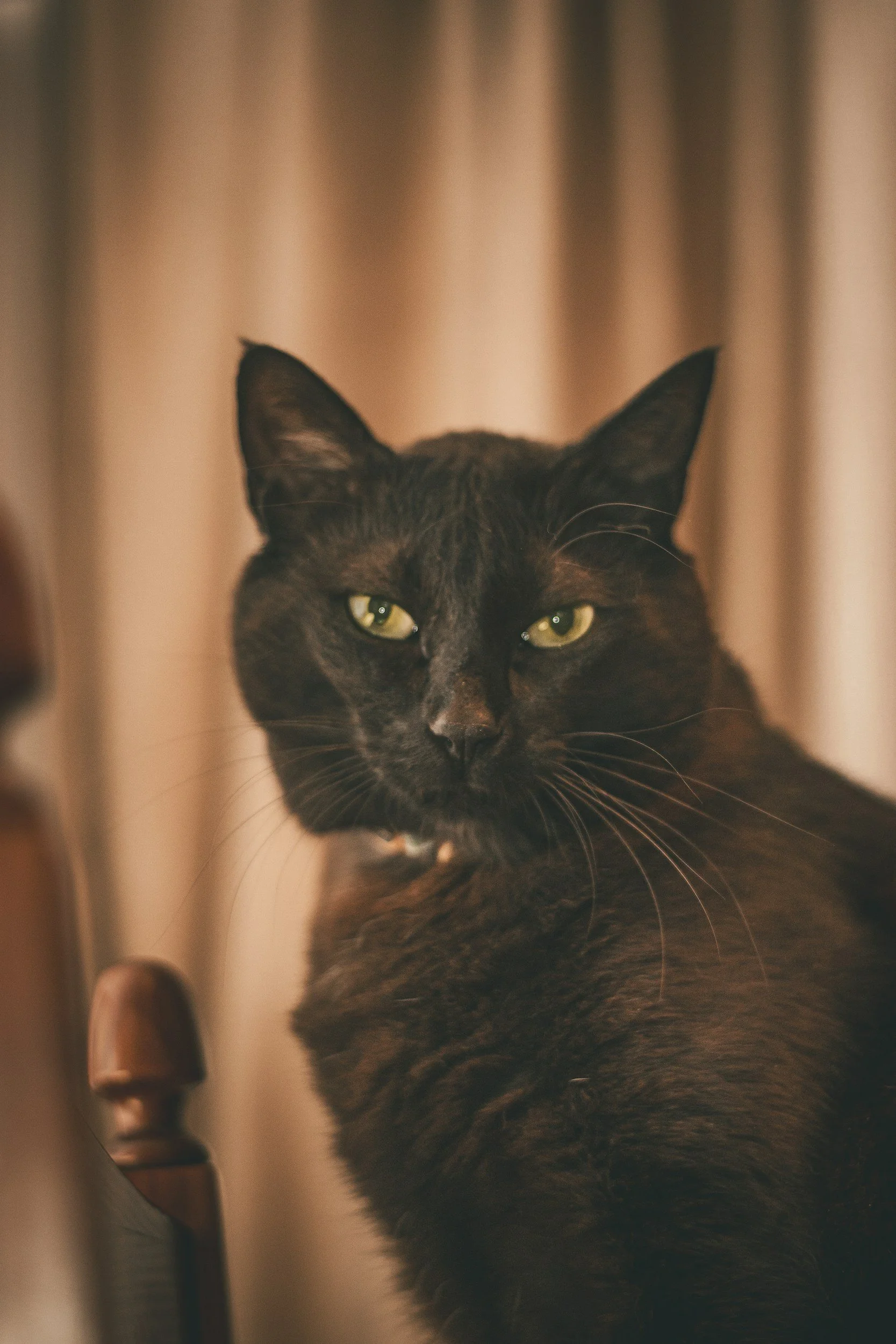
Cats Are Not Broken, Science Just Figured Out Why They Are Like That
New research out of Finland confirms what every vet already knows: cat personality is real, it varies by breed, and it actually matters for feline care.
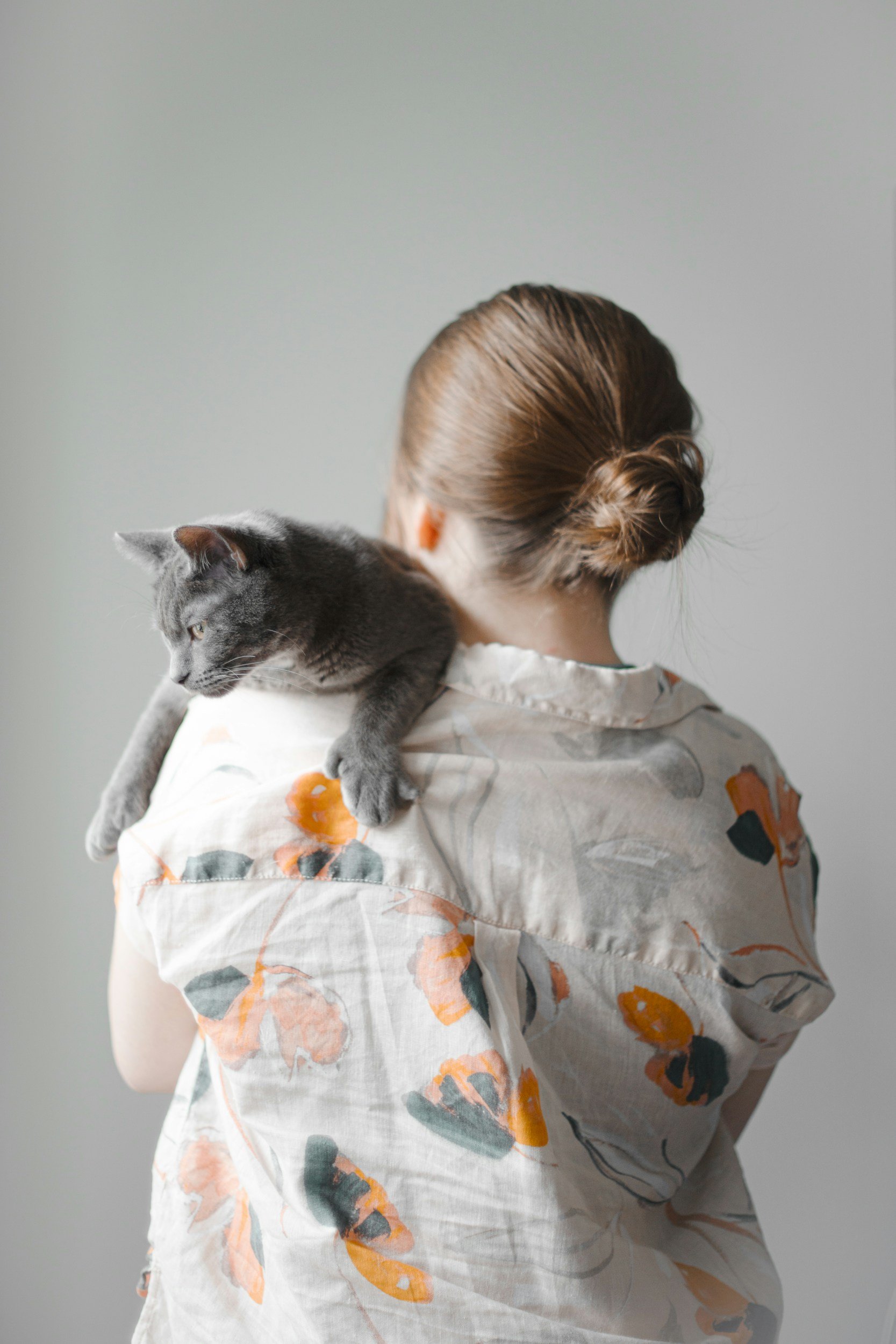
Speaking Cat: What Every Veterinarian Needs to Know About Feline Communication
Cats may be considered mysterious, but research shows they are actually master communicators—especially when it comes to interacting with humans. For veterinarians, understanding feline body language, vocalizations, and subtle cues is crucial for improving patient welfare, reducing stress during appointments, and preventing injuries.
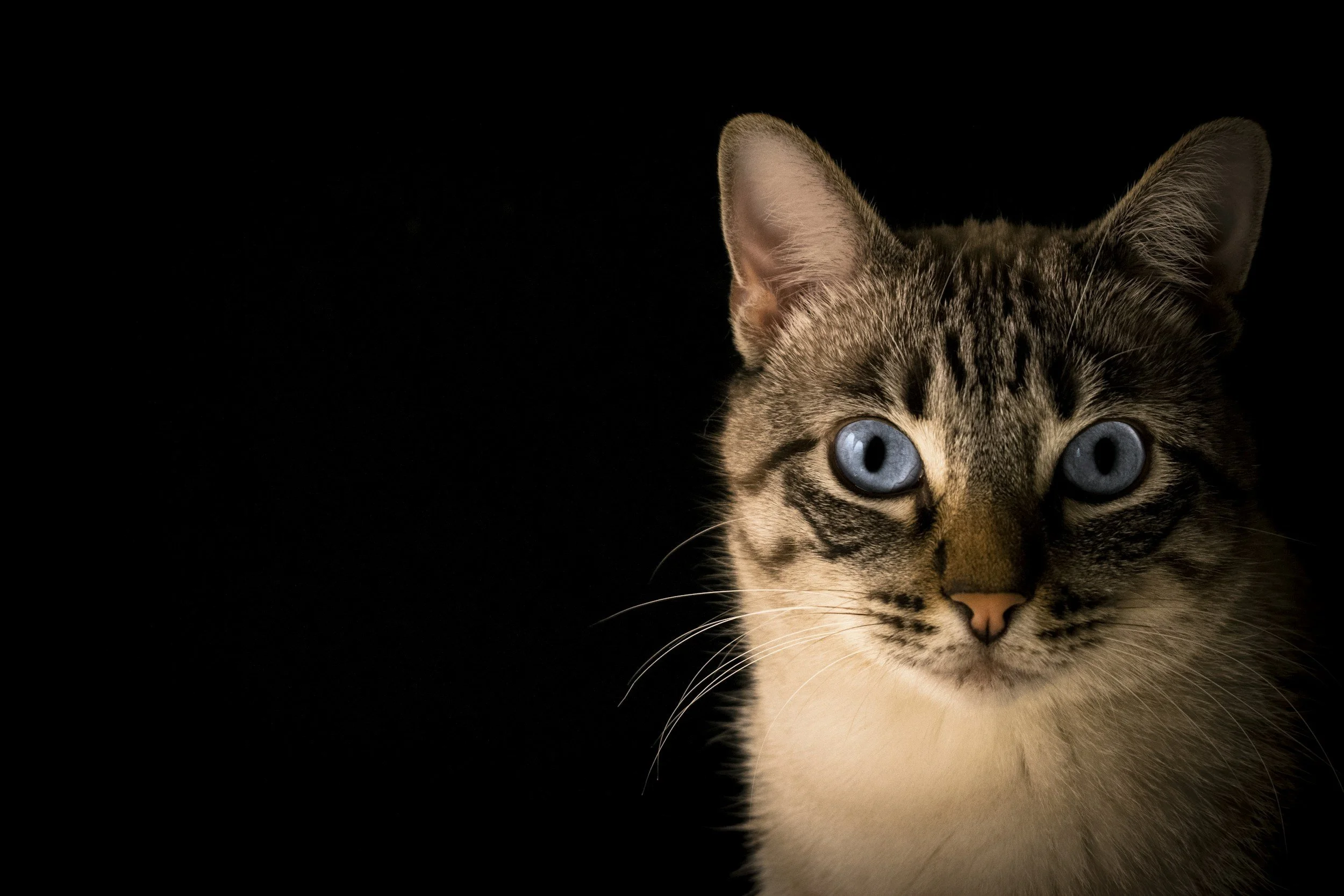
Feline Cognition: New Evidence for Oddity Concept Learning in Cats
For decades, veterinary professionals have observed the problem-solving abilities of cats in clinical settings—from the patient who learns to hide before carrier time to the one who figures out how to open cabinet doors. But how sophisticated is feline cognition really? Can cats grasp abstract concepts, or do they simply learn through basic association and repetition?
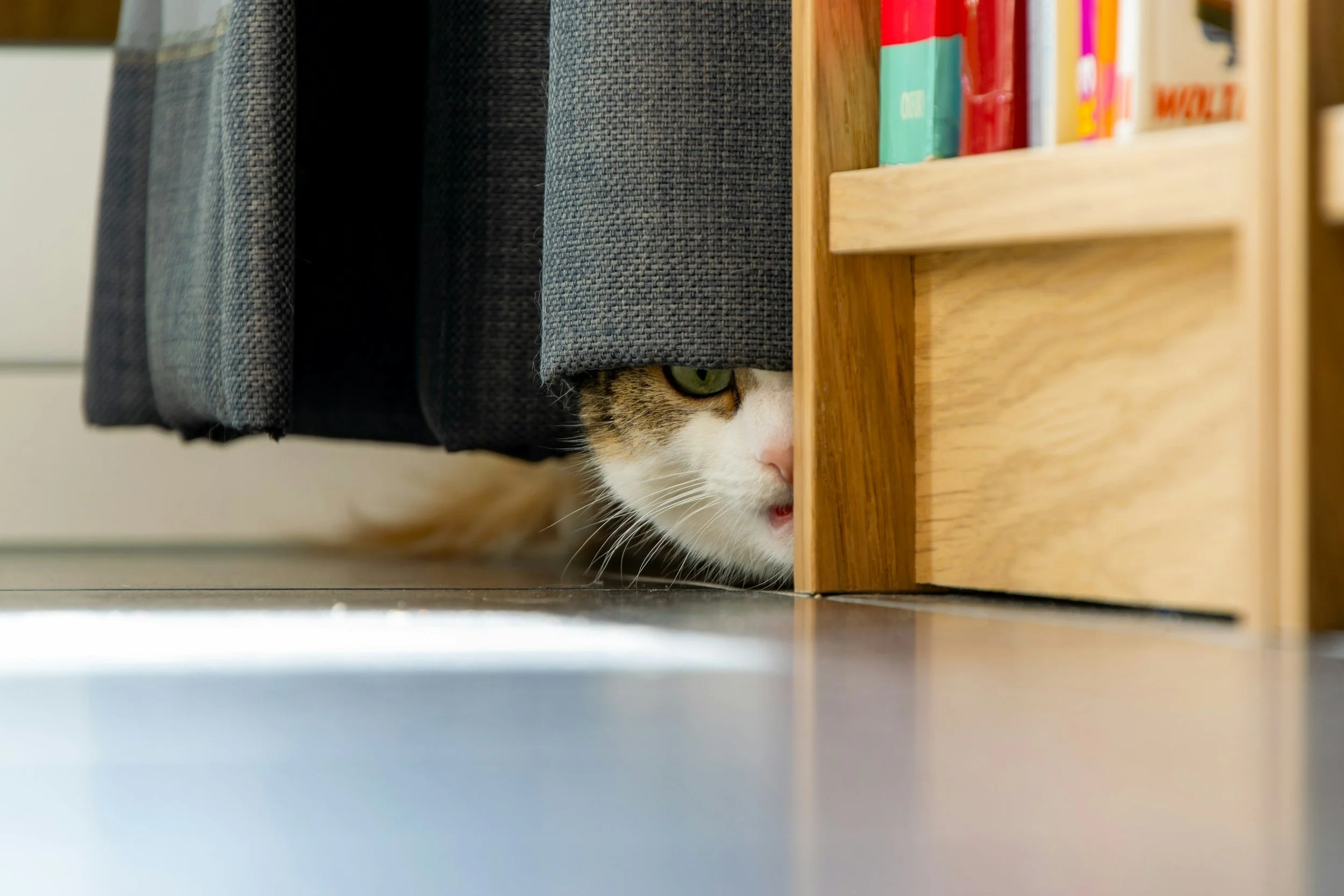
Understanding and Managing Fear, Anxiety, and Stress in Domestic Cats
Domestic cats are among the most beloved pets worldwide, yet despite their popularity, many owners and veterinarians struggle to fully understand their unique behavioral and emotional needs. This gap often leads to challenges in human-cat interactions, behavioral issues, and stress-related health problems.