



First Cases of Highly Pathogenic Avian Influenza in Northern Elephant Seals Confirmed in California
Wildlife health officials have confirmed the first known cases of highly pathogenic avian influenza (HPAI) H5N1 in northern elephant seals in California following detections in pups at Año Nuevo State Park.
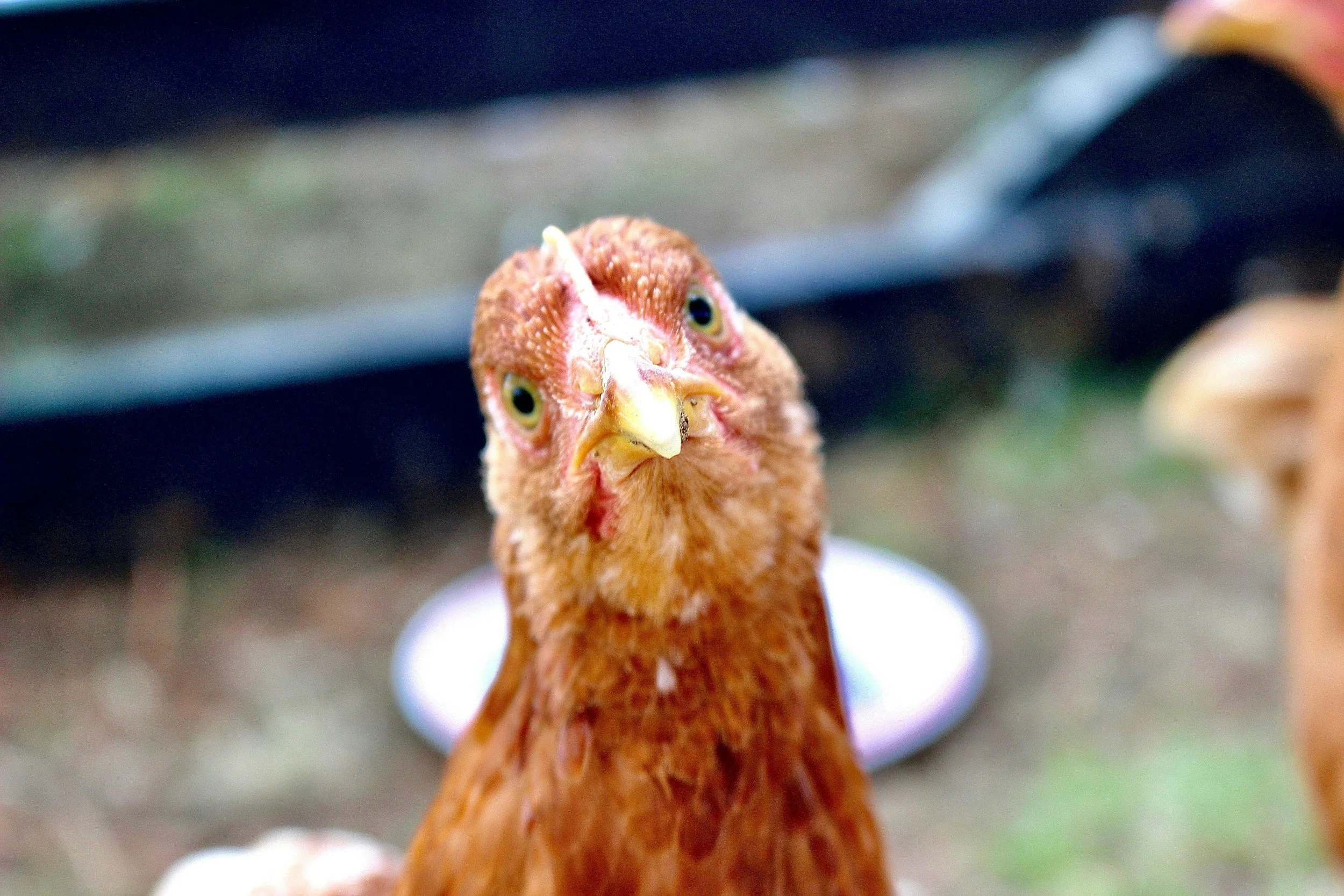
Bird Flu Is Not Slowing Down and Senators Want the USDA to Catch Up
If it feels like highly pathogenic avian influenza has become the background noise of poultry medicine, you are not alone. Since 2022, more than 180 million chickens, turkeys, and other poultry have been depopulated in the United States. Now, a bipartisan group of U.S. senators is urging the USDA to move faster on what many veterinarians see as the next unavoidable step: a science based poultry vaccination strategy.

HPAI Alert: Bird Flu Cases Soar Across the U.S.
Avian influenza is back in the spotlight, and veterinary professionals across the country are paying close attention. Cases of Highly Pathogenic Avian Influenza (HPAI) are on the rise in the U.S., impacting commercial and backyard flocks alike. Understanding the latest numbers, trends, and veterinary implications is critical for protecting animal health and managing outbreaks.
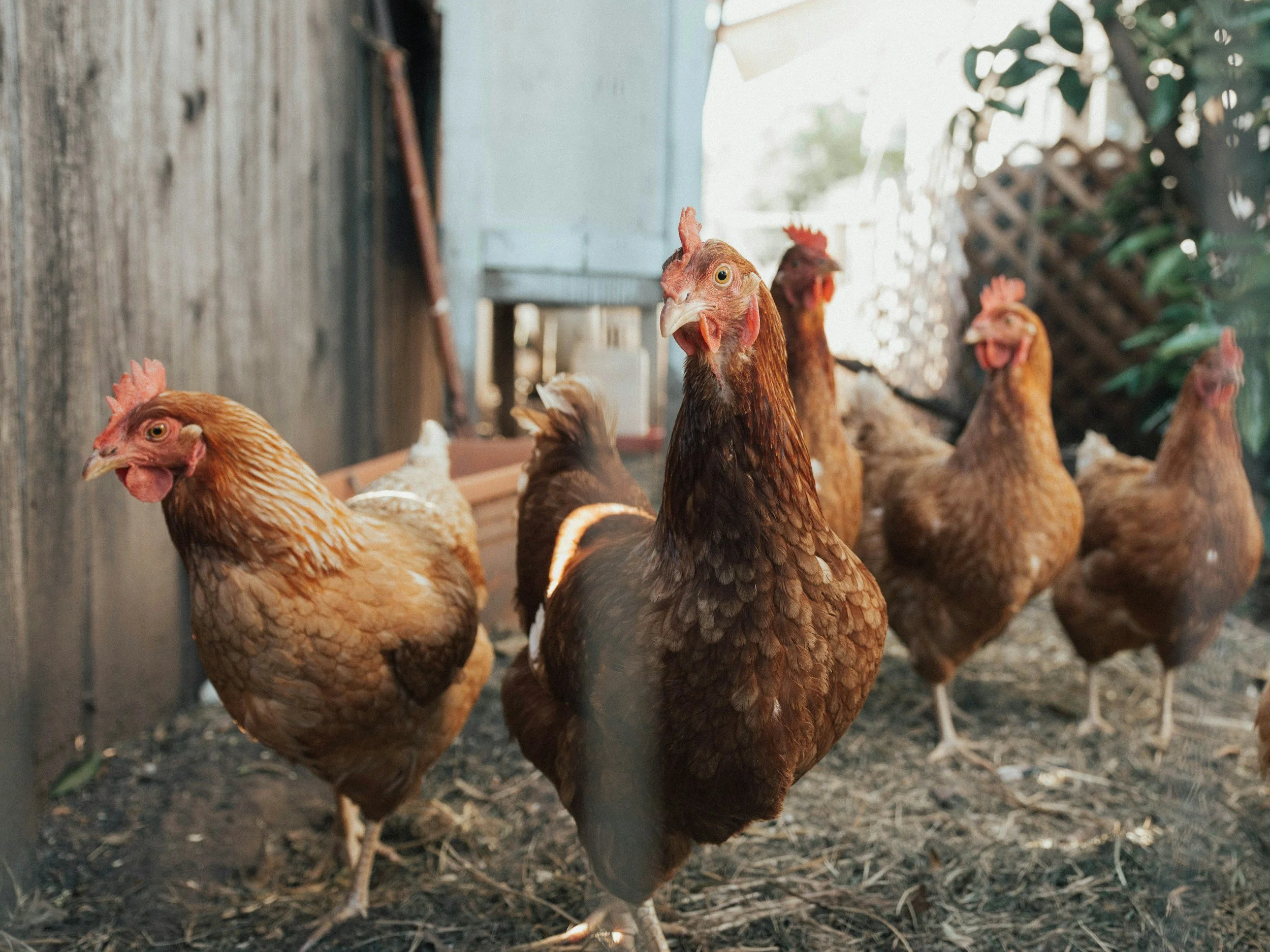
Bird Flu Outbreaks Spread Worldwide, Threatening Millions of Birds
Across Europe, North America, and beyond, bird flu is leaving a devastating mark on animal populations. While human infections remain rare, the virus has caused widespread death in domestic poultry, wild birds, and even some mammal species.
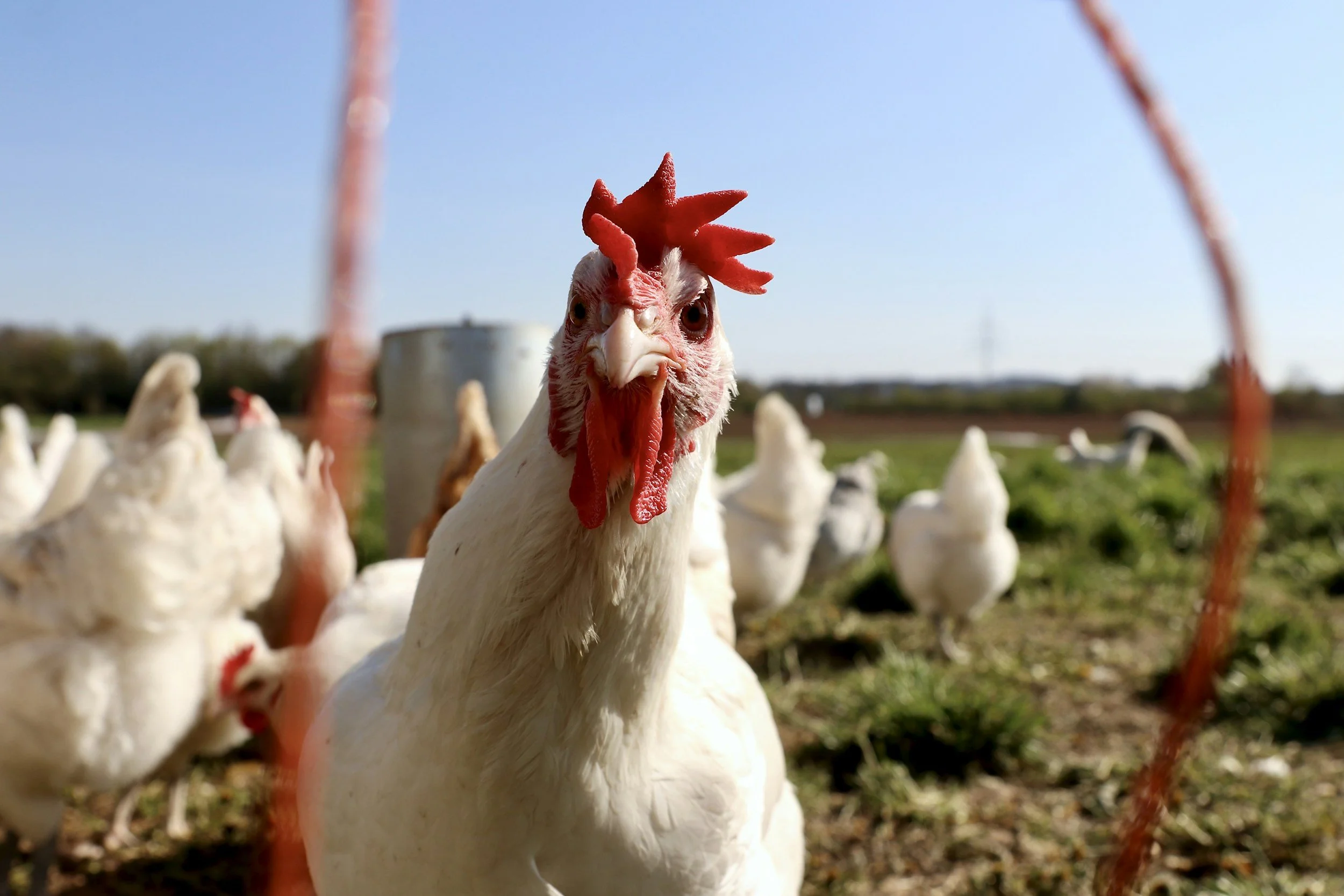
Infectious disease modelling teams invited to strengthen global response to highly pathogenic avian influenza
An international modelling challenge is calling on experts across disciplines to help tackle one of Europe’s — and the world’s — most pressing health threats: highly pathogenic avian influenza (HPAI). The initiative, which is now open for applications, seeks to improve outbreak modelling readiness and to foster international collaboration among researchers and decision makers from academic, government, and other backgrounds worldwide.
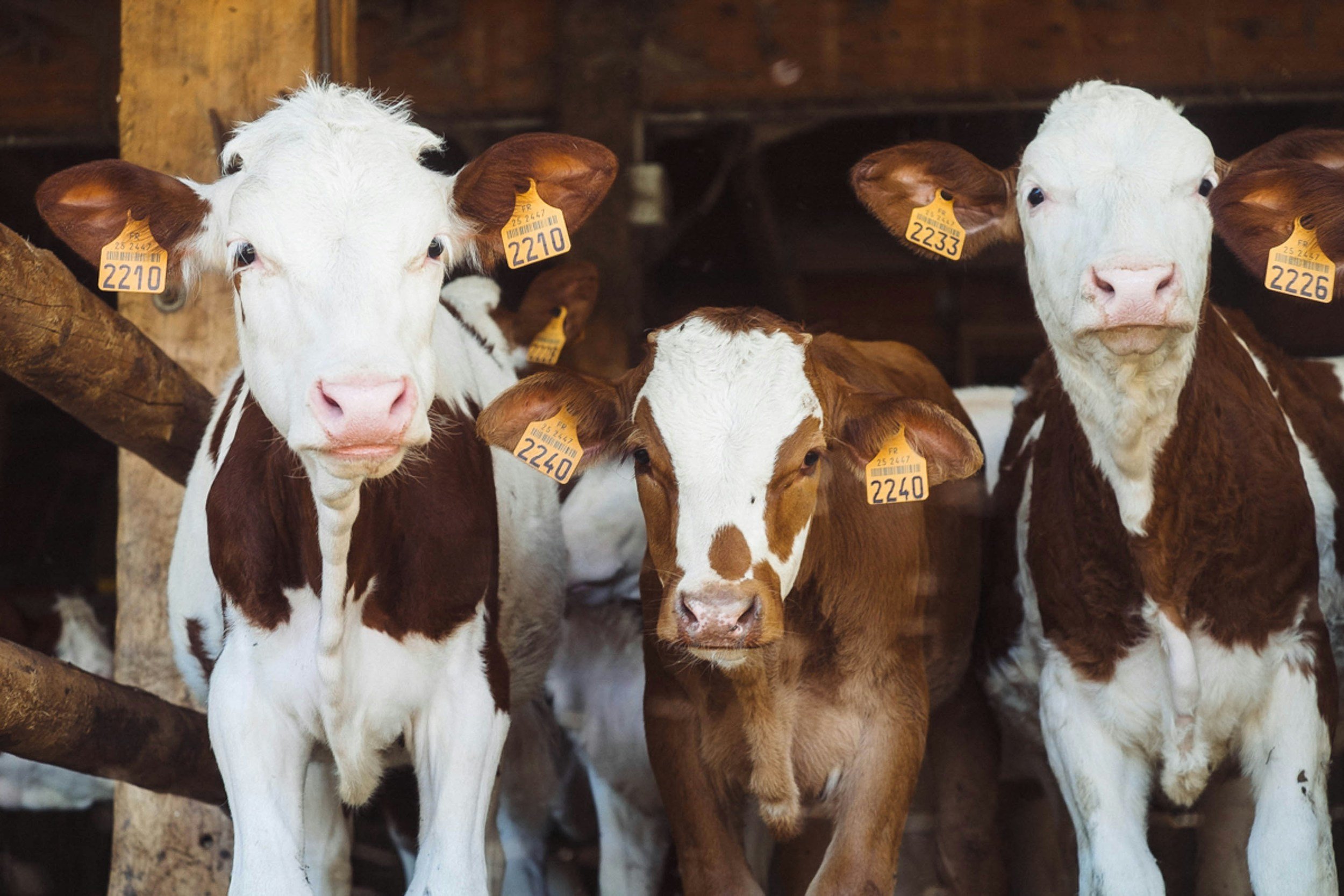
Battling Bird Flu’s Unlikely New Target: America’s Dairy Herds
The University of Minnesota’s College of Veterinary Medicine has emerged as a key player in this unfolding story, securing significant federal funding through a cooperative agreement with the USDA. The multimillion-dollar grant supports collaborative projects aimed at tracking transmission patterns and developing mitigation strategies for highly pathogenic avian influenza in dairy herds—research that could prove vital for protecting both animal health and the nation’s food supply.