



Veterinarians in Japan and the UK view animal welfare through different cultural lenses
A new international survey reveals clear differences in how veterinarians and animal welfare scientists in Japan and the UK perceive animal welfare, particularly animal behavior
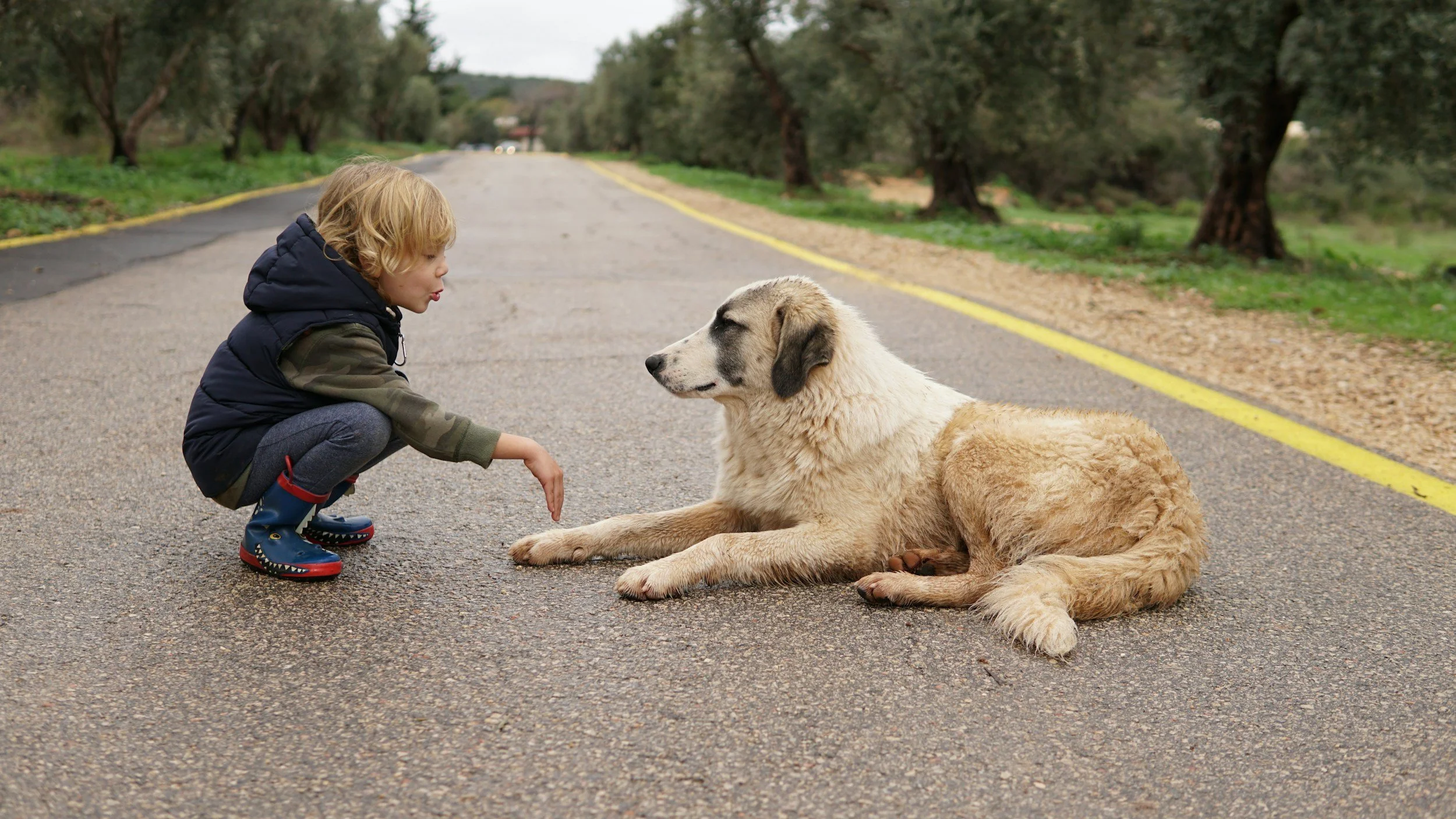
University of Tennessee College of Social Work Establishes Center for Pet Family Well-Being
The University of Tennessee College of Social Work has launched the Center for Pet Family Well-Being (CPFW), marking a new chapter in the university’s leadership in interdisciplinary research and systems innovation.

Veterinarians Are Saying Enough Is Enough as Avian Flu Exposes a Dark Side of Poultry Depopulation
As highly pathogenic avian influenza continues to sweep through poultry operations across the United States, veterinarians are finding themselves at the center of an uncomfortable conversation. The disease response playbook may be fast, but many in the profession argue it is far from humane.
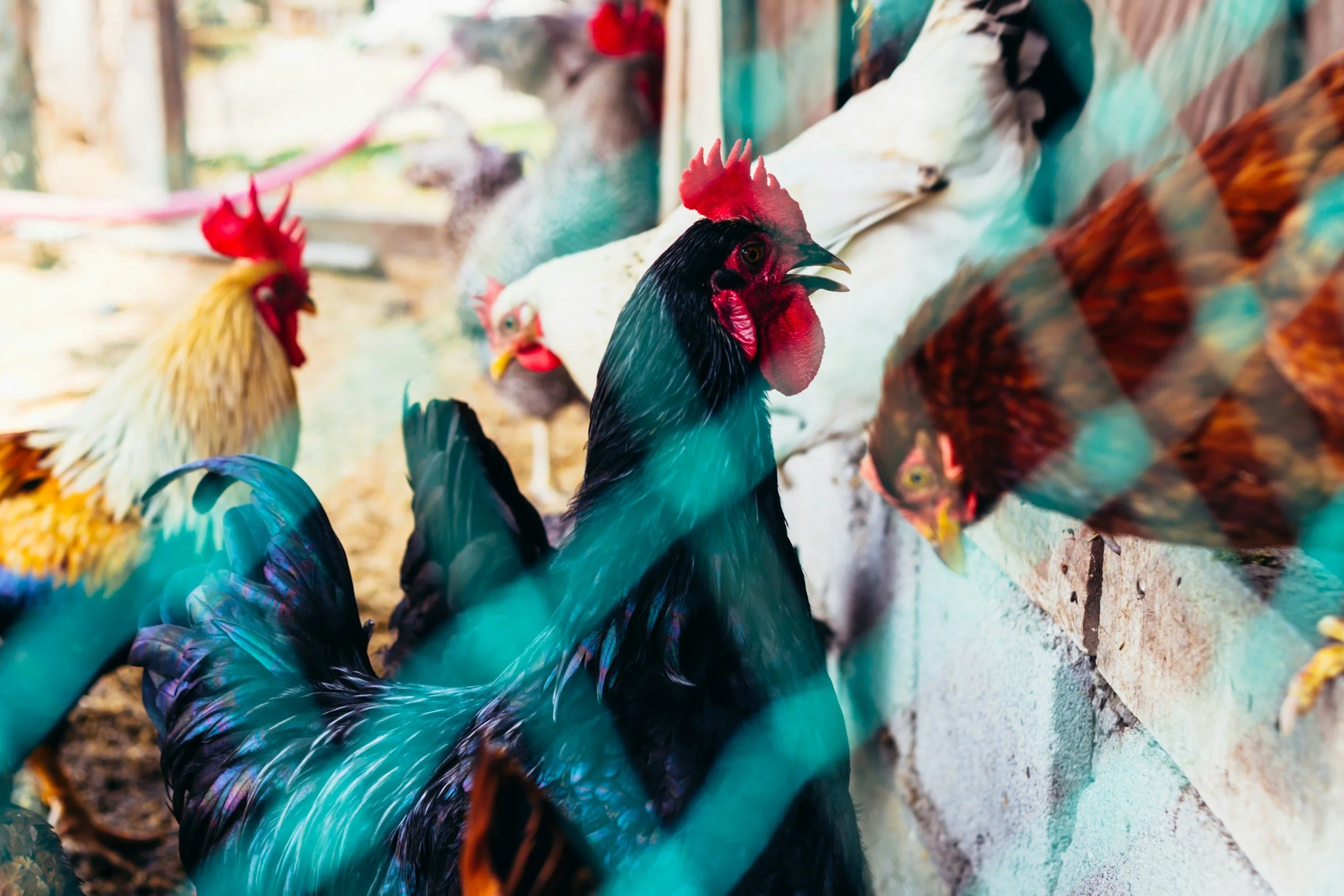
Why Vets Are Saying Enough Is Enough to Ventilation Shutdown During the Avian Flu Crisis
As highly pathogenic avian influenza continues to rip through poultry operations across the United States, veterinarians are facing an uncomfortable reality. Disease control is essential, but how flocks are depopulated is becoming one of the most divisive animal welfare debates the profession has seen in years.
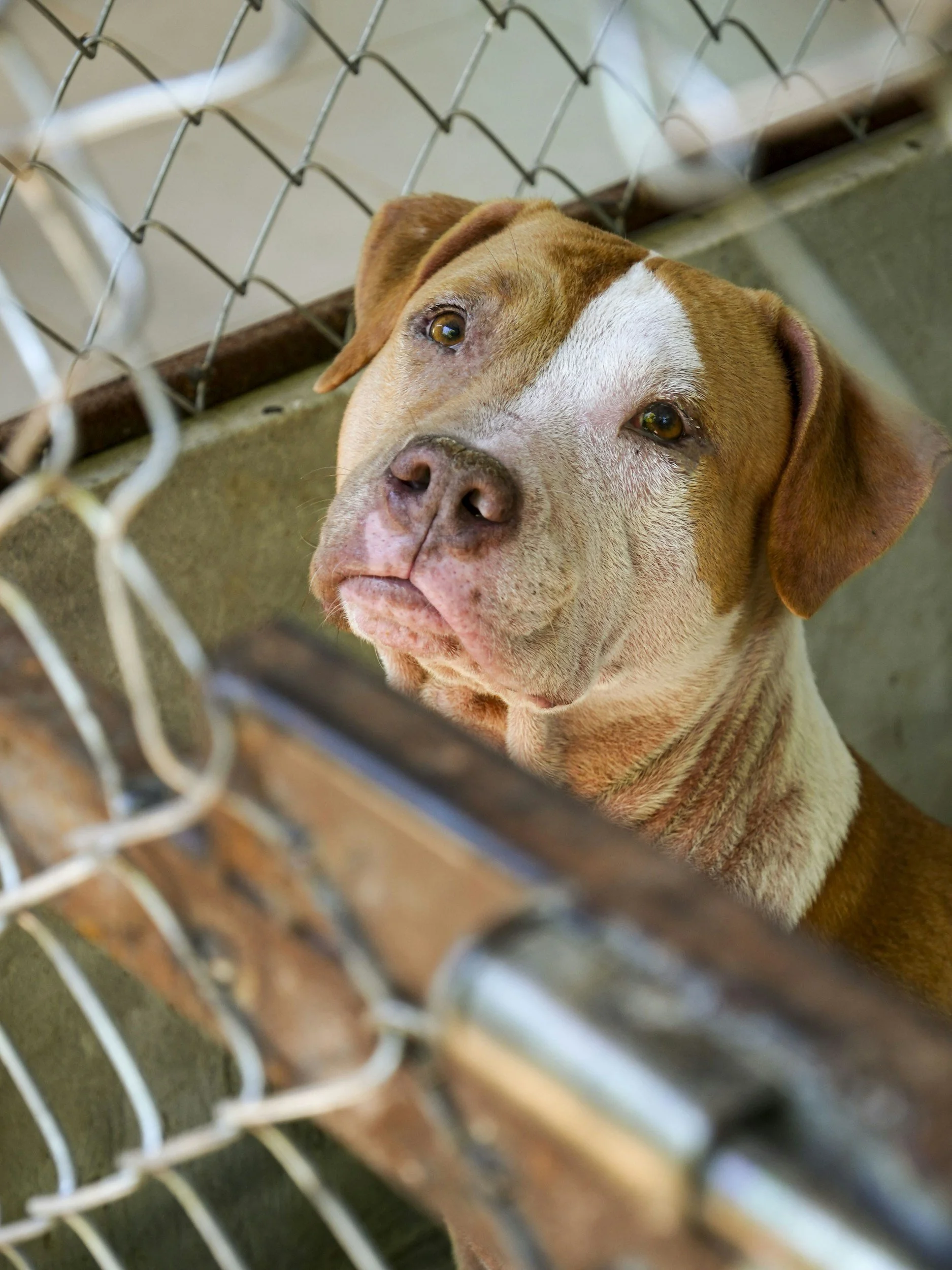
Why Calling a Dog a “Mix” Might Be Killing Its Adoption Chances
Scroll through almost any shelter website and you will see a familiar pattern. A photo, a breed label based on a best guess, and a short description meant to spark a connection. For veterinary professionals, this format feels routine. New research suggests it may also be working against the very goal it is meant to support.

Walking the Dog, Side-Eyeing Your Bank Account: What a Massive Japanese Study Reveals About Pets and Human Well-Being
Pet ownership is often framed as a universal life upgrade. More joy, better health, stronger communities. But when you zoom out to a national scale and sort pets by lifestyle rather than species alone, the story gets more nuanced. A large cross-sectional study from Japan offers a reality check that veterinary professionals may find both fascinating and clinically relevant.