



How Virginia Tech became the quiet force behind veterinary data
When avian influenza swept through U.S. dairy herds last year, veterinary laboratories across the country were suddenly testing milk samples for a virus they had never analyzed in that way before. Results needed to move fast, not in days, but in hours. New sample types, new testing methods, and new species combinations required entirely new terminology almost overnight.

A New Era in Equine Cancer Care: Virginia Tech’s H-FIRE Therapy Arrives at the Equine Medical Center
Virginia Tech–developed high-frequency irreversible electroporation (H-FIRE) is now available for horses at the Marion duPont Scott Equine Medical Center. This innovative, standing cancer treatment improves chemotherapy effectiveness, reduces drug use, and speeds return to work for equine patients with skin tumors.
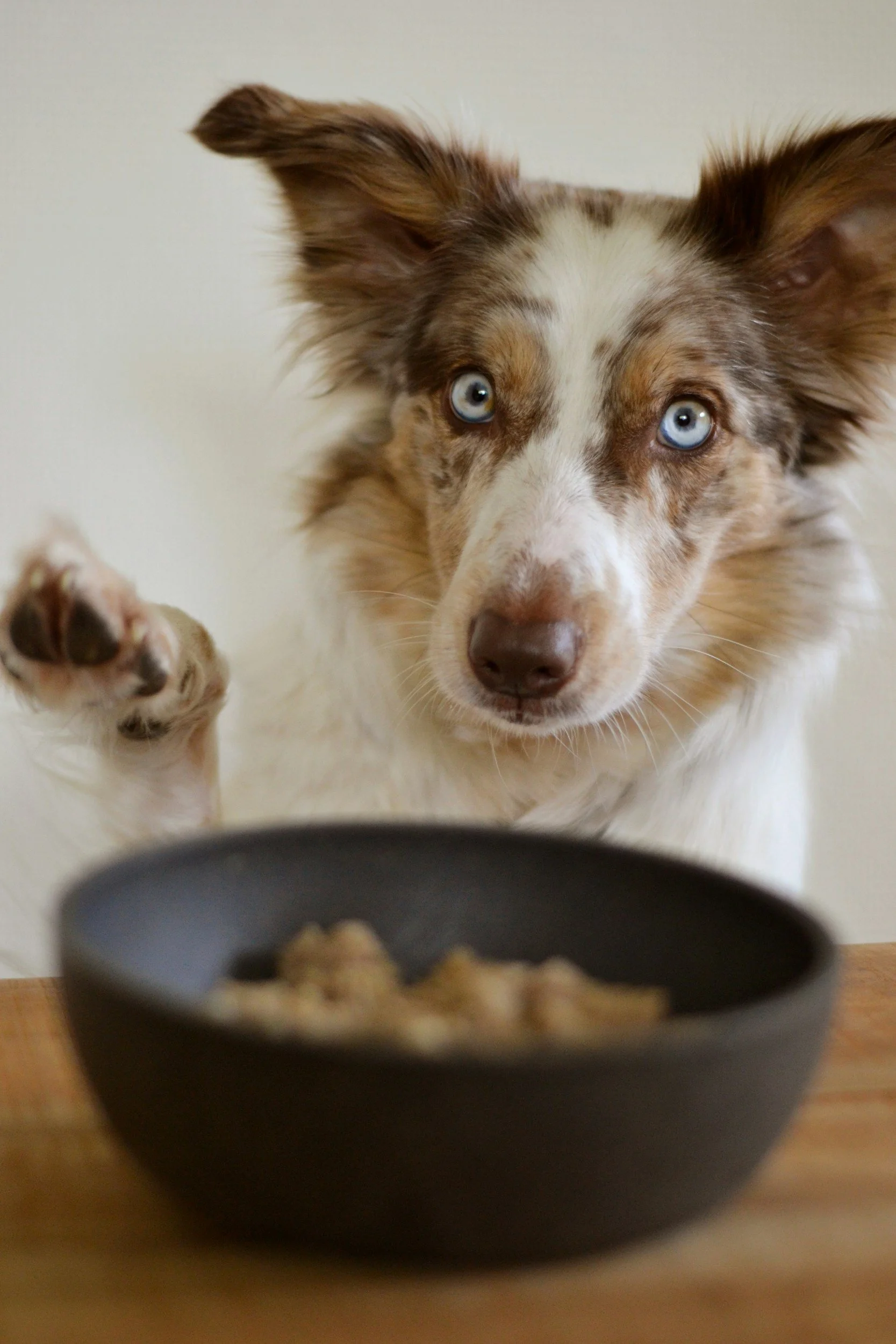
What’s in the pet bowl? Heavy metals, reveals 10-state survey
Two-thirds of dogs tested in a recent survey consume higher-than-recommended levels of heavy metals in their drinking water, according to a study published August 6, 2025 in the open-access journal PLOS Waterby Audrey Ruple from Virginia Tech, U.S., and colleagues. The survey, which focused on well water households in 10 states, uncovered 13 instances where arsenic, lead and copper tested above EPA-recommended levels.

Pairing shelter dogs has ‘pawsitive’ results
Virginia Tech researchers found that dogs housed with a well-matched companion were less stressed and adopted faster than dogs housed alone. Shelter dogs awaiting adoption fare better with a canine companion than when they’re housed alone, according to new research from Virginia Tech.
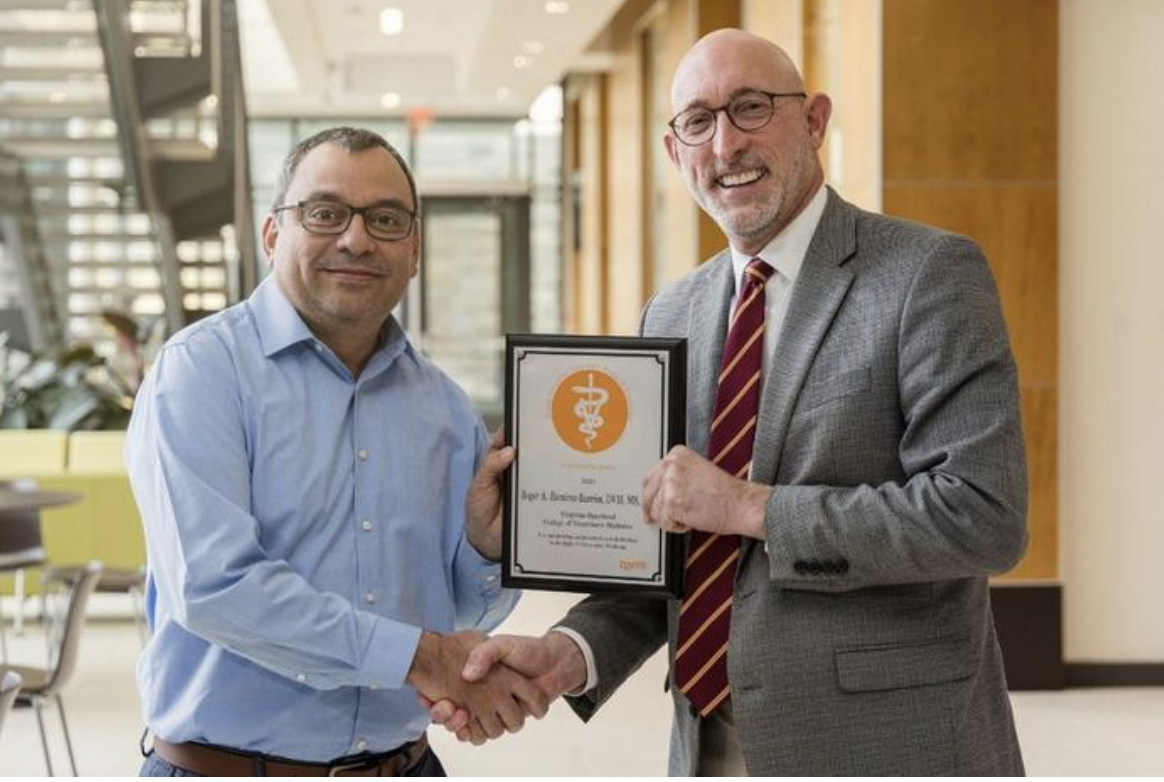
Dr. Roger Ramirez-Barrios receives Zoetis Research Award
Roger Ramirez-Barrios, clinical associate professor of veterinary parasitology, has been awarded the prestigious 2023 Zoetis Research Award. This award acknowledges researchers whose innovative studies advance the scientific standing of veterinary medicine.
His recent work has focused on two parasites that pose health risks to humans and animals: Echinococcus multilocularis and Trypanosoma cruzi. He also explored Chagas disease, caused by T. cruzi, a condition personal to him because of its impact on his family.
Ramirez-Barrios emphasizes his students' role in his research. He also said he appreciates the supportive environment at the college, particularly praising the resources provided by the Collaborative Multidisciplinary Research Laboratory.