



Instinct Science and Cornell University Hospital for Animals Modernize Veterinary Care
Instinct Science, a leading provider of clinical-grade software for veterinary hospitals, today announced that the Cornell University Hospital for Animals (CUHA) has officially gone live with Instinct Treatment Plan, a next-generation digital platform that brings structure, clarity, and automation to patient care workflows.
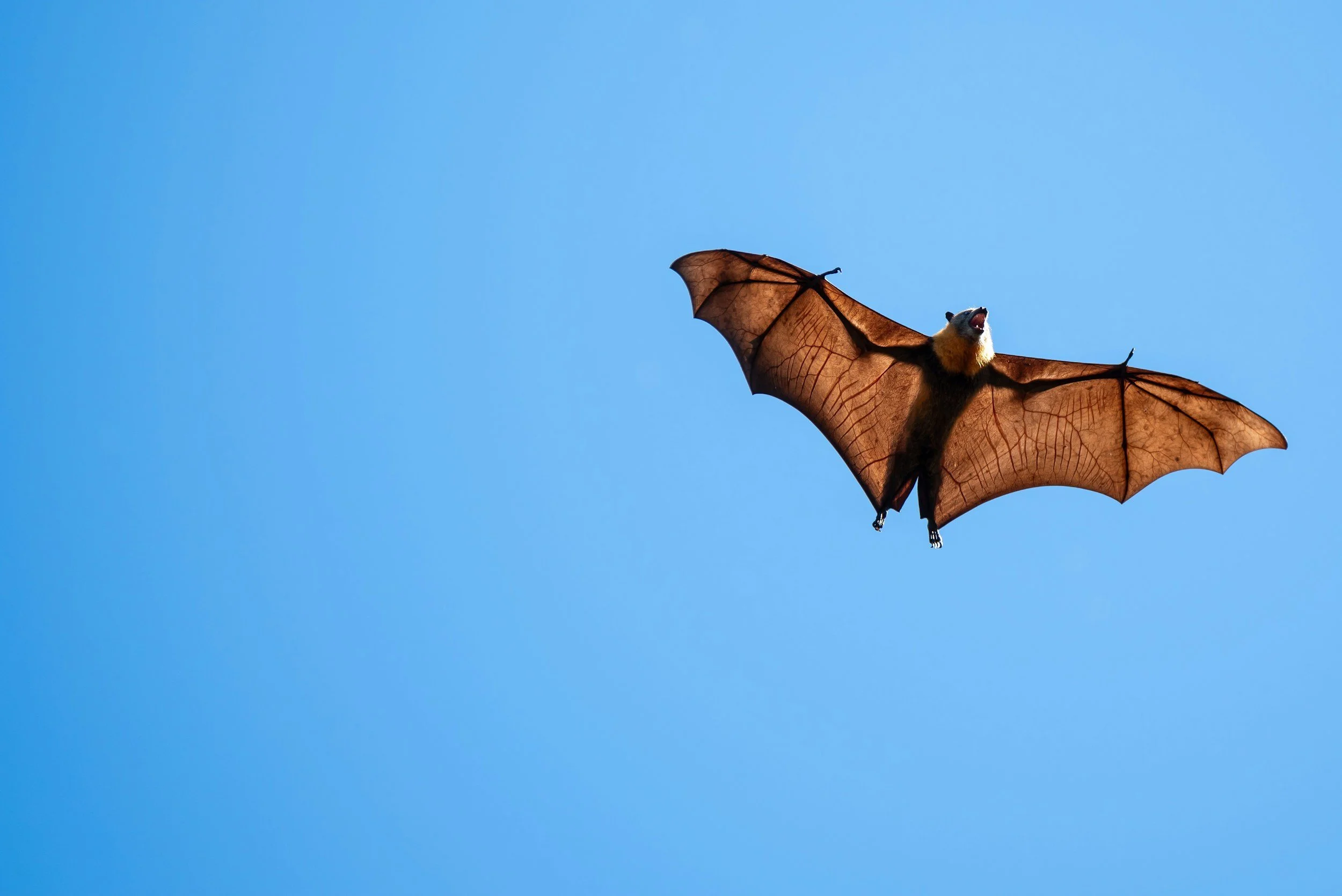
‘Teen’ bats most likely to spread mutant coronaviruses
Raina Plowright, professor in Cornell’s Department of Public and Ecosystem Health, and colleagues unveiled new insights into the natural dynamics of coronaviruses circulating in wild bats, which are their reservoir hosts, in a new Nature Communications paper. When young bats are weaned, they’re more prone to viral infections, and more likely to shed those viruses into the environment.

Cornell Emerges as National Hub for Veterinary AI Innovation
As artificial intelligence reshapes medical fields nationwide, Cornell University’s College of Veterinary Medicine is establishing itself as a driving force in adapting these technologies for animal health. The institution’s leadership in this emerging field was recently highlighted through two significant developments: a groundbreaking special journal issue and preparations for its second annual AI symposium that promises to expand the frontiers of veterinary innovation.
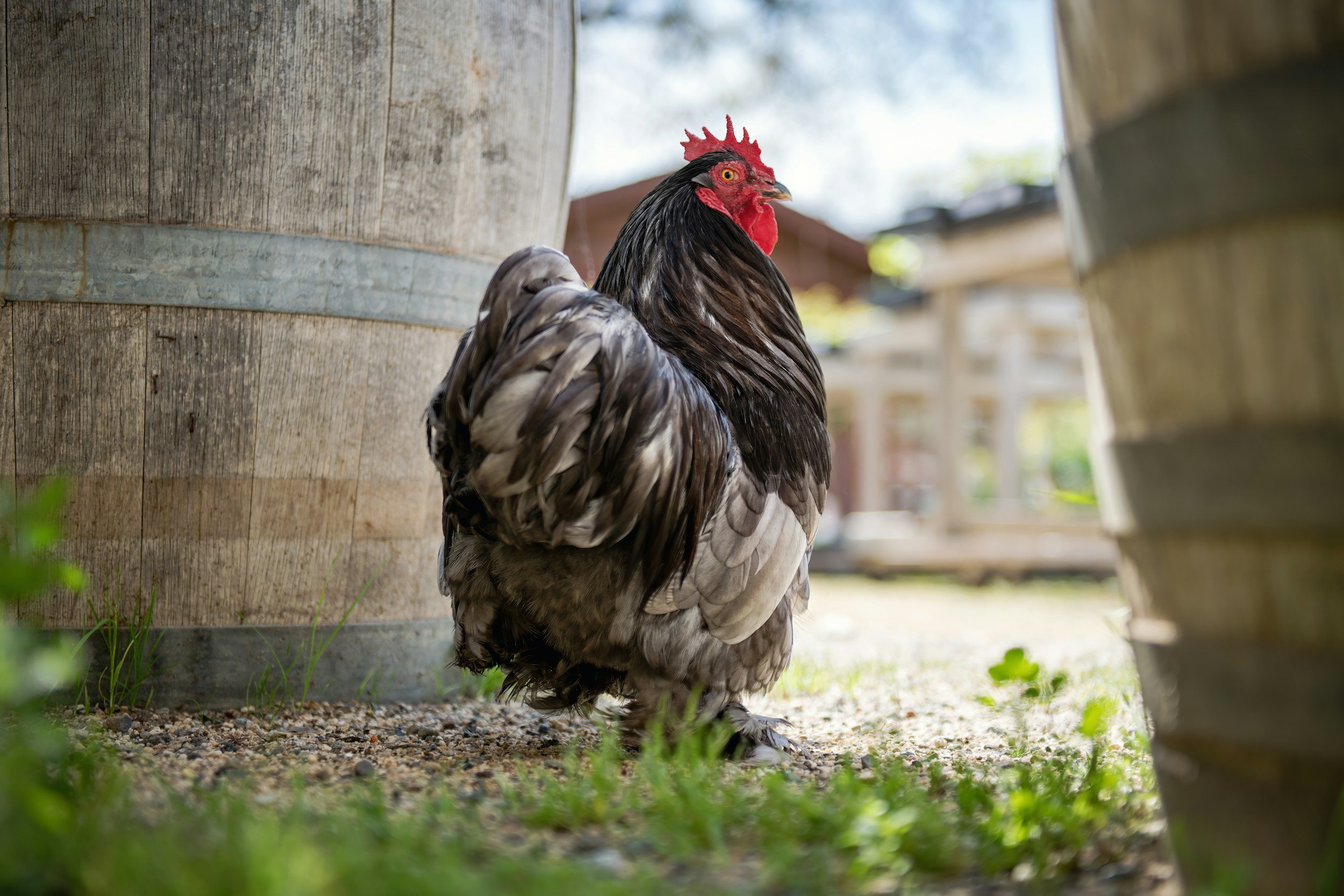
Backyard poultry face HPAI risk when migrating mallards stop to rest
Knowing where, when and for how long mallard ducks – natural carriers of avian influenza – stop and rest as they migrate can help predict the probability that they will spread bird flu to backyard poultry flocks, according to a Cornell University study.
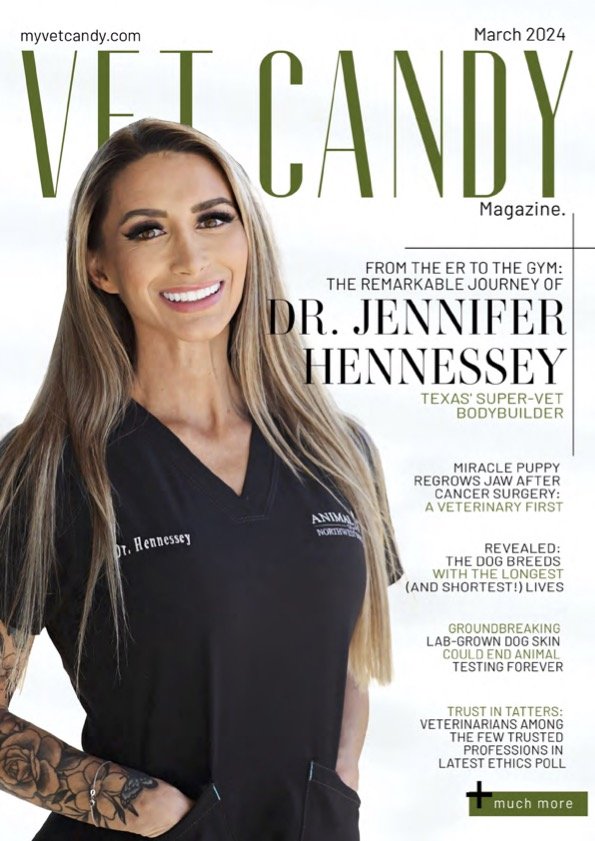
Have you read the latest? Check out Vet Candy Magazine’s March issue
Discover the March edition of Vet Candy Magazine, where we uncover groundbreaking medical feats and tackle pressing issues in the veterinary community. Dr. Jennifer Hennessey's journey from ER to bodybuilding stage is a testament to resilience. Dive into stories on wellness initiatives at Texas A&M, Penn Vet students advocating for change, and miraculous pet recoveries. Plus, shocking findings on secondhand smoke's impact on pets' health. Get inspired by the incredible world of veterinary medicine!
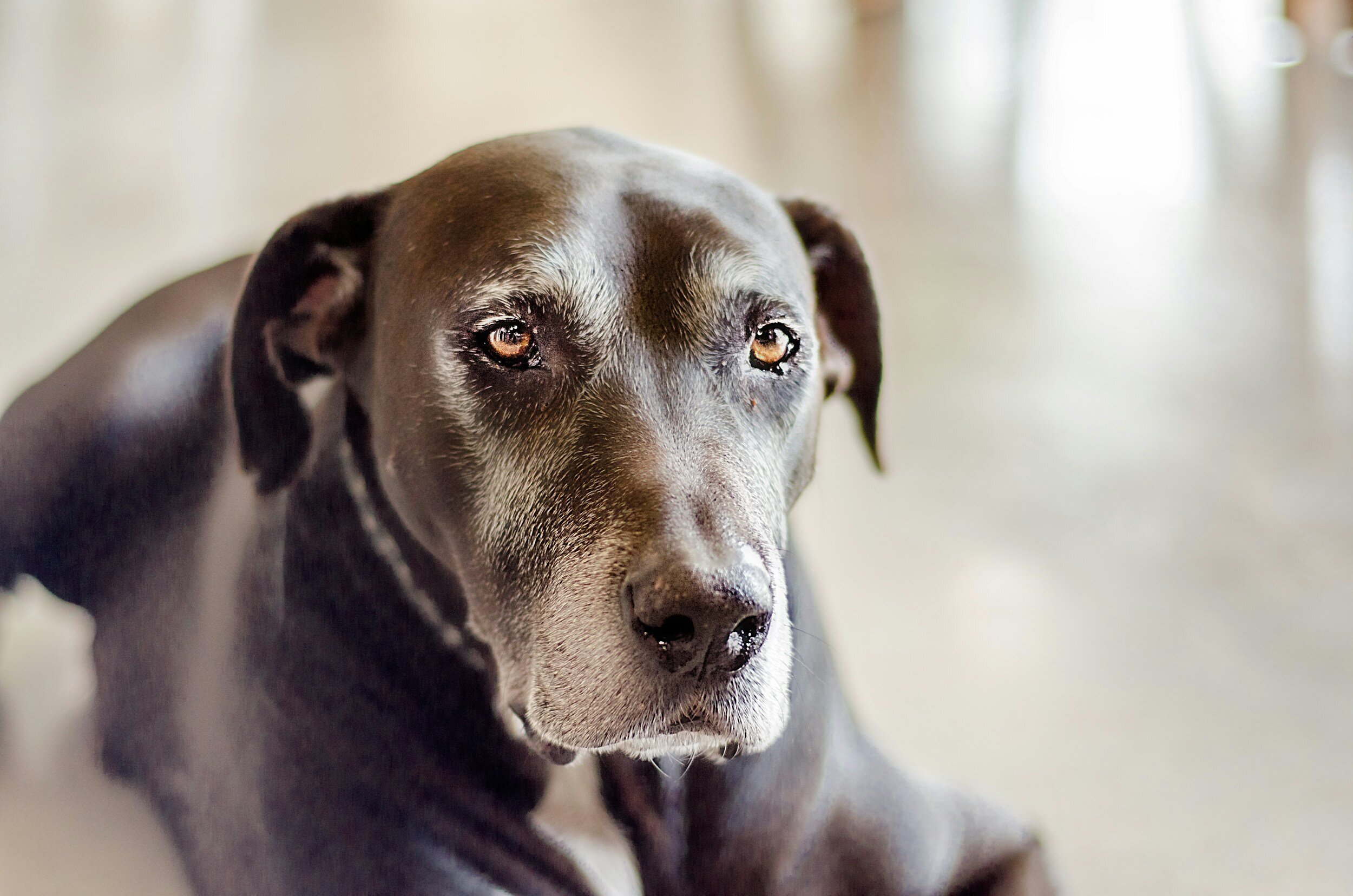
Is This the Breakthrough Cure for Dog Cancer We've Been Waiting For? Cornell's New Study Sparks Hope
In a groundbreaking trial that's catching the eyes of pet owners and veterinarians alike, the Cornell University Hospital for Animals (CUHA) is on the brink of a medical breakthrough that could change the way we treat one of the most aggressive cancers in dogs: oral squamous cell carcinoma (OSCC). This cancer, notorious for its rapid progression and devastating impact on dogs' jaws and overall health, might finally meet its match in a new drug treatment that promises to be less invasive and more hopeful than the current, often disheartening surgical options.