



New service helps users find nearest Cornell-trained veterinarian
For the first time, the public will have an easy way to find the nearest Cornell-educated veterinarian in their area. The CVM Alumni Veterinarian Locator, a free alumni directory service offered by the Cornell University College of Veterinary Medicine (CVM), allows animal owners to easily search the location of CVM alumni practices on a map.
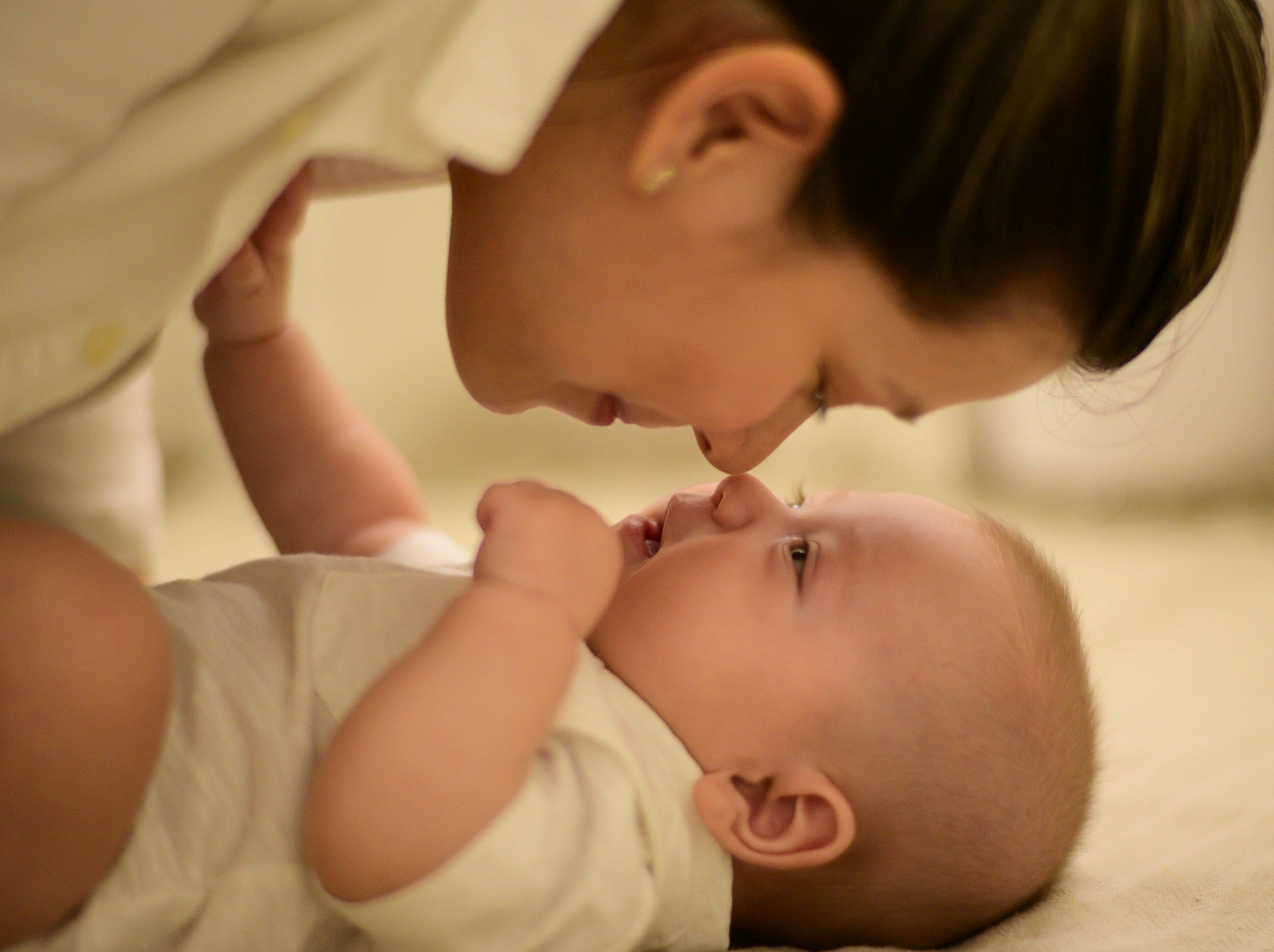
Shocking Revelation: Cornell Veterinary Researchers Unveil Babies' Supercharged Immune Systems Outperforming Adults
Scientists have long believed that a newborn’s immune system was an immature version of an adult’s, but new research from Cornell University that newborns’ T cells — white blood cells that protect from disease — outperform those of adults at fighting off numerous infections.
These results help clarify why adults and infants respond differently to infections and pave the way for controlling T cells’ behavior for therapeutic applications.
This discovery was described in a paper published in Science Immunology on Feb. 23, co-led by Brian Rudd, associate professor of microbiology and immunology at the Cornell University College of Veterinary Medicine (CVM), and Andrew Grimson, professor of molecular biology and genetics at the College of Agriculture and Life Sciences (CALS).

Cornell University College of Veterinary Medicine receives $35M gift to advance science-based solutions for wildlife health
A $35 million gift will endow and name the Cornell K. Lisa Yang Center for Wildlife Health at the University’s College of Veterinary Medicine to address key challenges at the intersection of wildlife health, domestic animal health, human health and livelihoods, and the environment that supports all life on Earth.

Cornell Veterinary Medicine: Reducing the risks of zoonotic disease transmission through responsible cat ownership
Cats have a special place in many people’s hearts. An estimated 60 million felines are kept as pets in the United States alone. Cats also occupy a distinct position in the ecological networks of companion animals, humans and peri-domestic species – wild and feral animals living near human habitations – according to a review article by a team of researchers at the Cornell University College of Veterinary Medicine.