


Exploring animal life in the radioactive shadows of Chornobyl and Fukushima
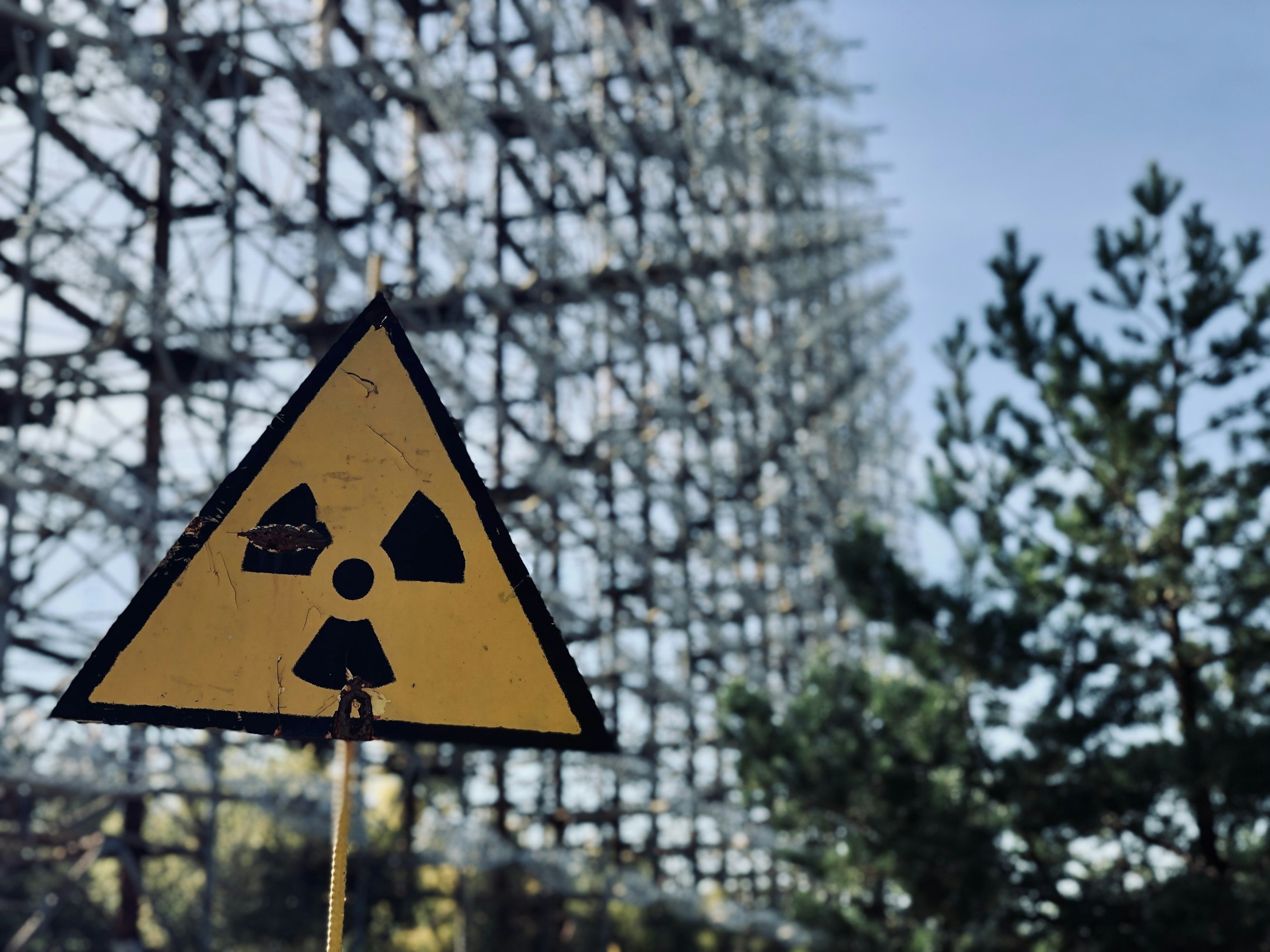
A team of researchers in France are building on fundamental experimental research undertaken in the Ukrainian Chornobyl exclusion zone with a new project in the Japanese Fukushima Prefecture to further our understanding of what it means for animals to live and reproduce in radioactive environments.
Chornobyl dogs’ genetic differences not due to mutation
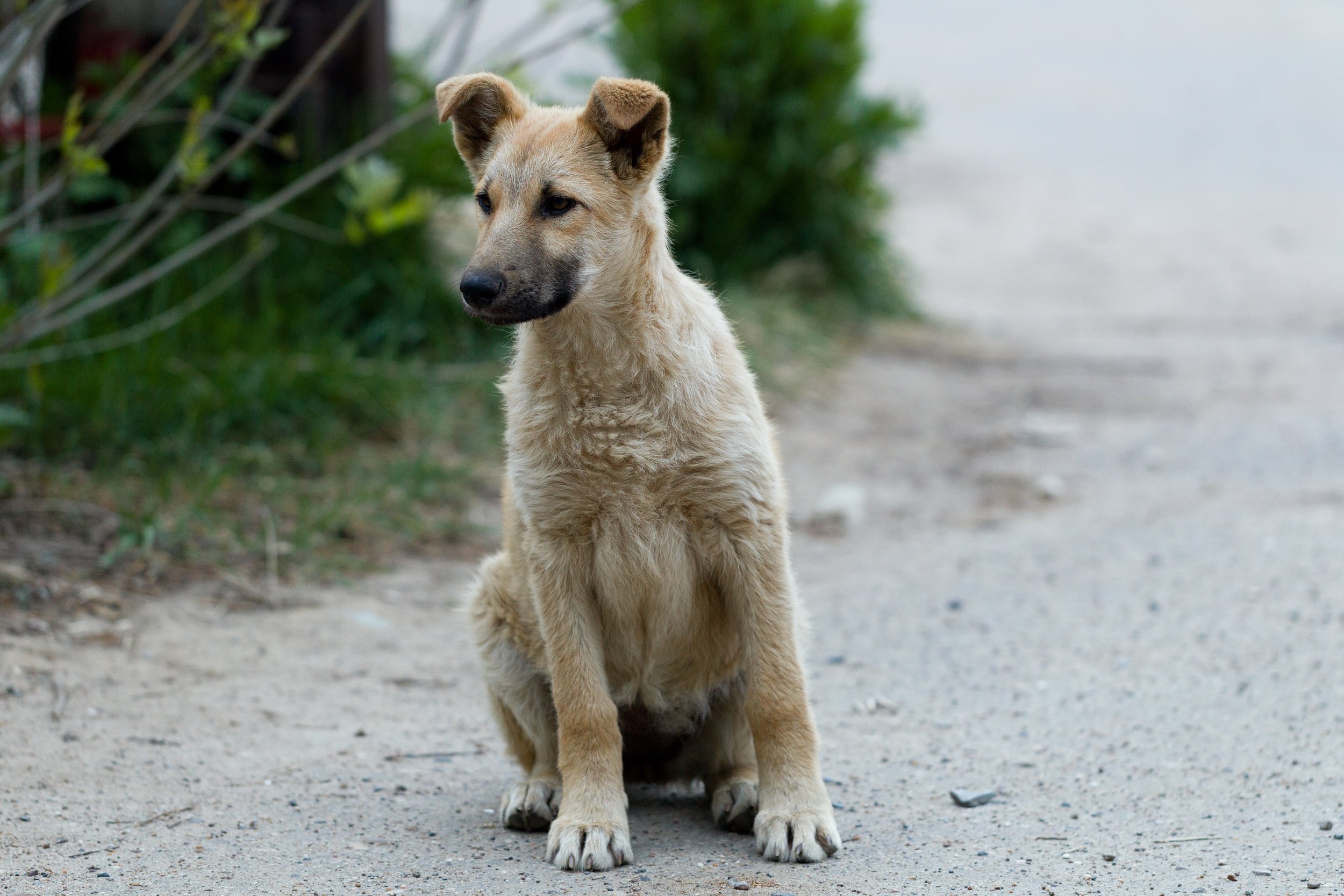
Radiation-induced mutation is unlikely to have induced genetic differences between dog populations in Chornobyl City and the nearby Chornobyl Nuclear Power Plant (NPP), according to a new study in PLOS ONE from North Carolina State University and Columbia University Mailman School of Public Health. The study has implications for understanding the effects of environmental contamination on populations over time.