

Art Deco Meets Advanced Care: Inside Calgary's Nova Vet, Where Client Experience Is the Secret Ingredient
Two cofounders are reimagining what a veterinary practice can be—and it starts with asking "What would make this better for my own pet?"
When veterinary technician Shannon Gervais and veterinarian Dr. Daniel McClair started planning their new practice, they didn't begin with equipment lists or business plans. They started with a single question: What would make the veterinary experience better for our own pets?
That one question became the blueprint for Nova Vet, a Calgary clinic that's rethinking everything from the aesthetic environment to the medical technology—all through the lens of what pet owners actually want and what modern medicine can deliver.
When Veterinary Meets Hospitality Design
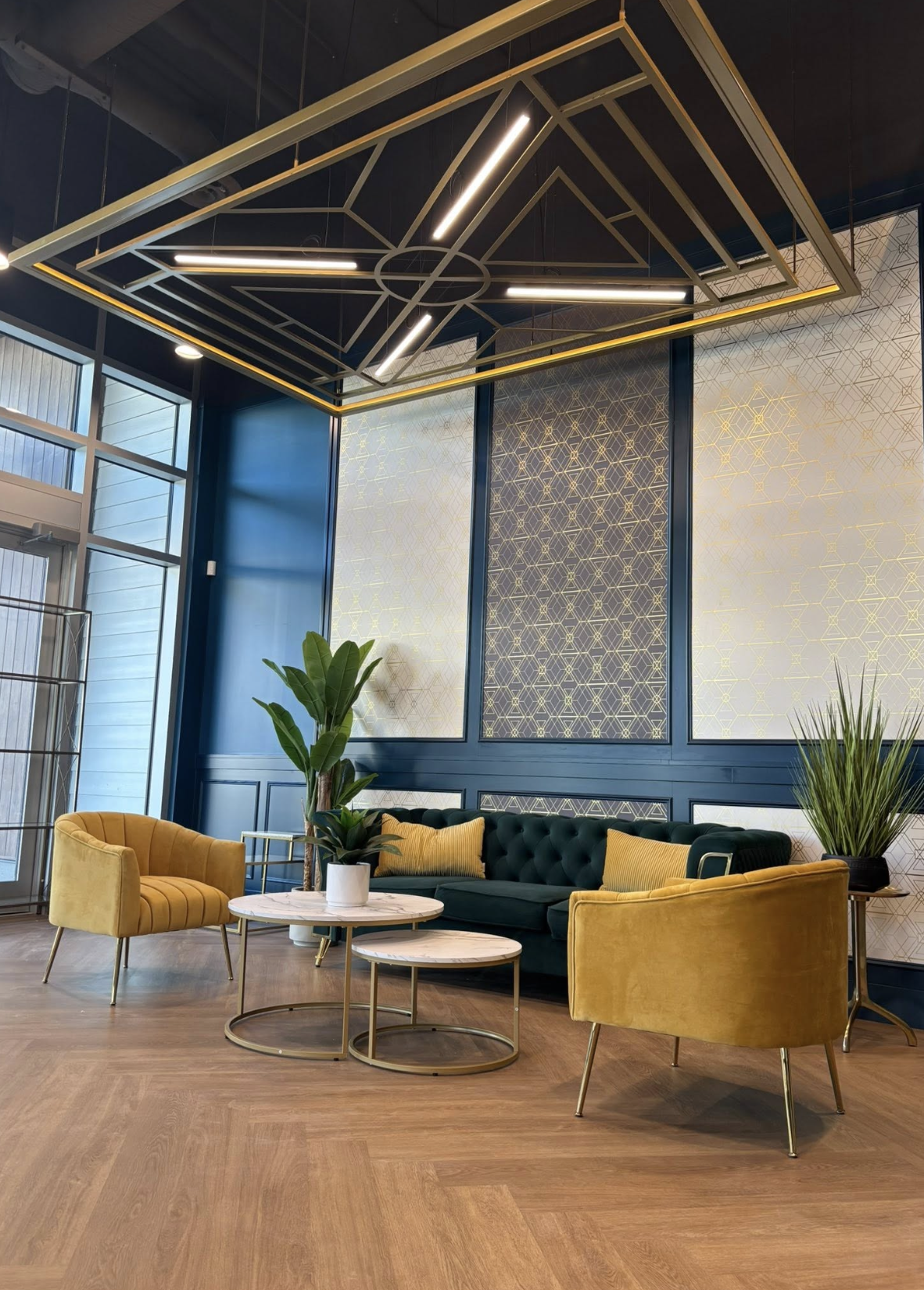
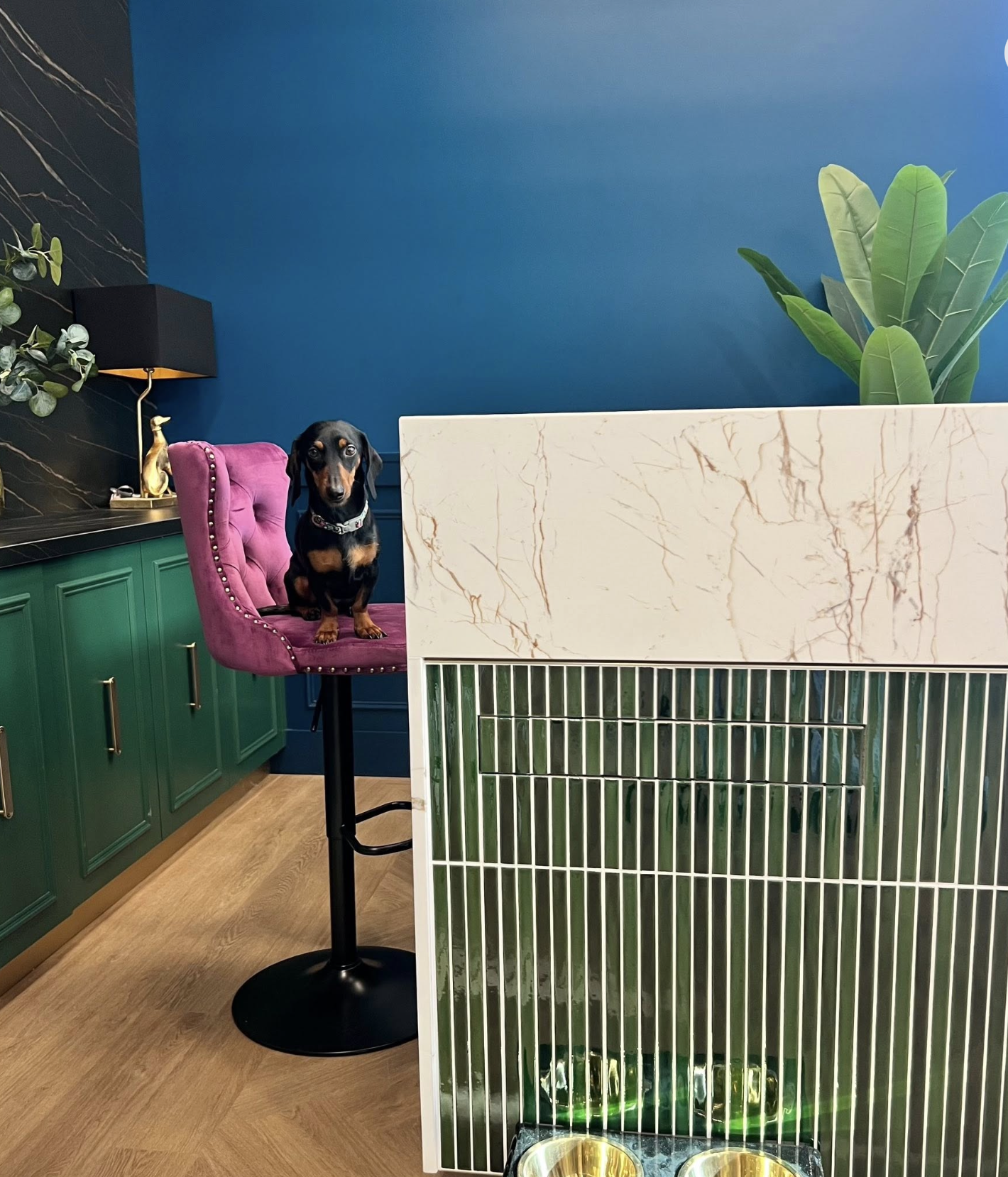
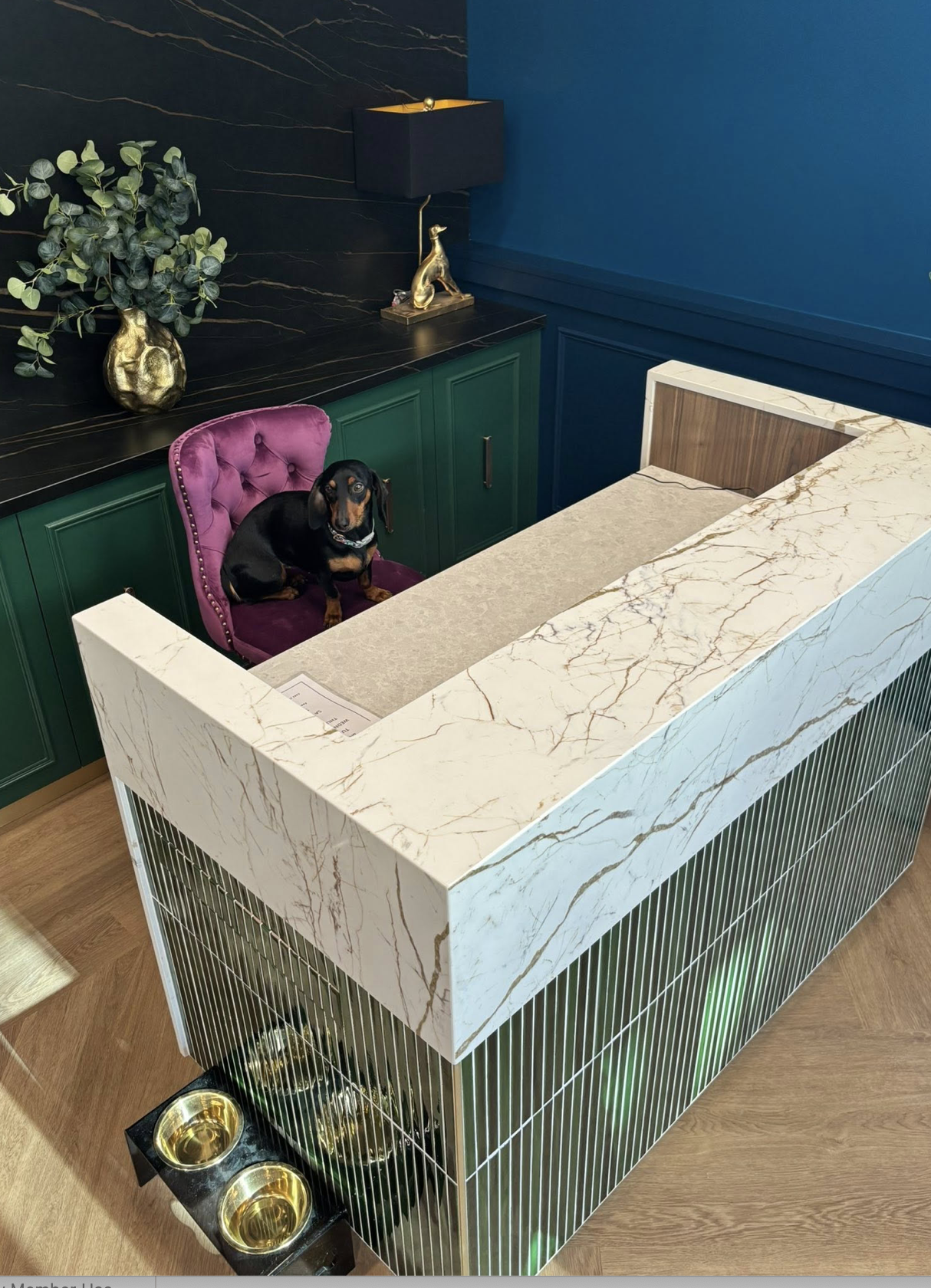
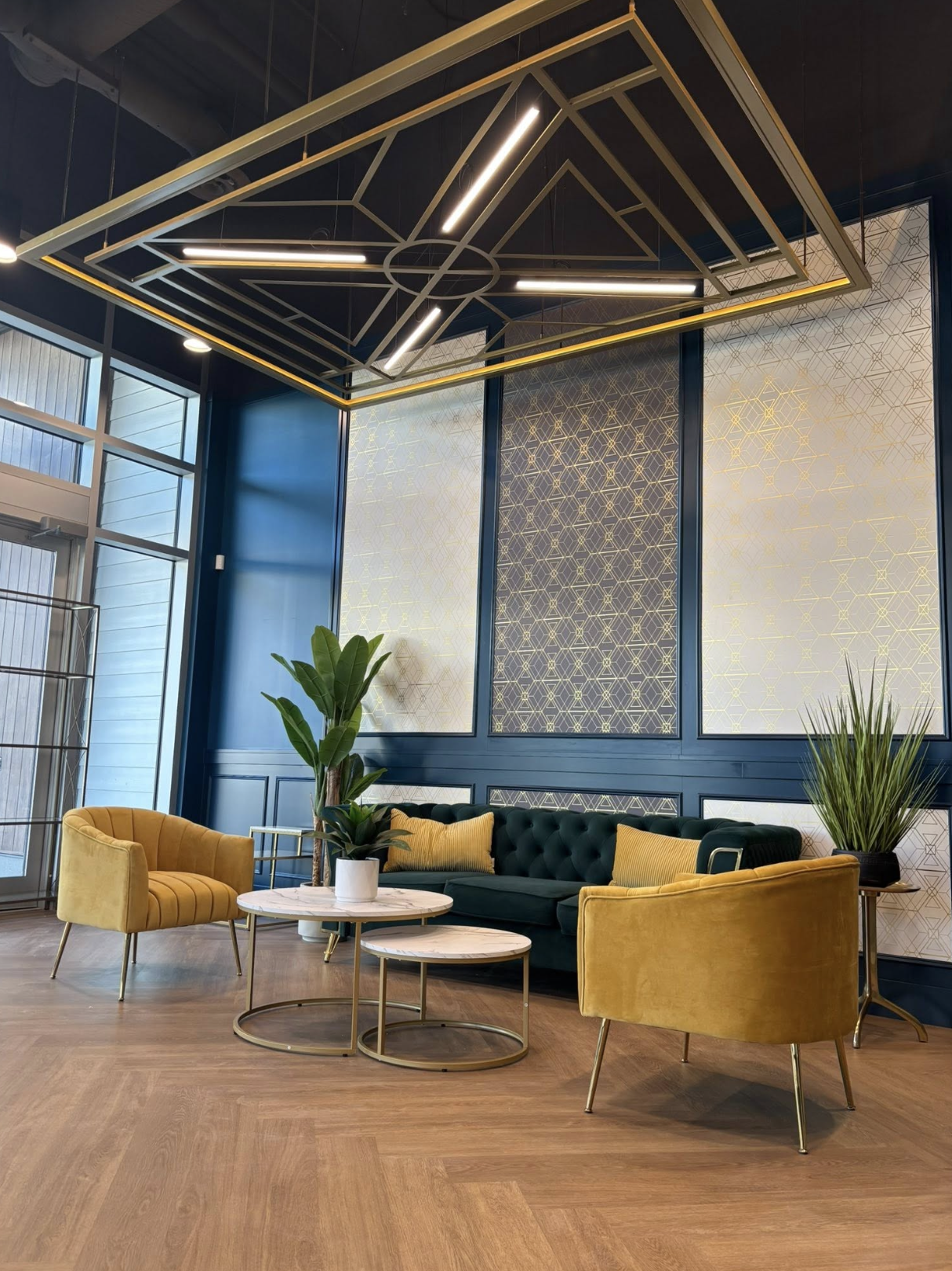
Walk into most veterinary clinics and you'll immediately know you're in a medical facility. Walk into Nova Vet and you might wonder if you've entered an upscale boutique hotel. The cofounders chose art deco design specifically to create an environment that feels luxurious, comfortable, and distinctly non-clinical.
"Veterinary visits are stressful enough," Shannon explains. "We wanted to create a space where clients feel valued the moment they walk in, where the environment itself communicates that we care about their experience as much as their pet's health."
The design philosophy extends to an in-house boutique featuring locally crafted pet items—turning the waiting area into a discovery experience rather than an anxiety-filled holding pattern. It's a smart move that acknowledges what many practices miss: clients are already there, already engaged, and often looking for ways to show love for their pets.
The Tech Stack: Prevention Over Reaction
But Nova Vet isn't just about pretty spaces. The cofounders are betting big on technology that shifts the paradigm from reactive to preventive care:
Continuous Health Monitoring Devices track vital signs and changes over time, creating baseline data that makes early detection possible. Combined with gut microbiome testing and thermal imaging, the practice can identify subtle shifts long before clinical signs appear at home.
The practice is also offering one of Calgary's only Gentle Spay options, a minimally invasive approach that reduces healing time, pain, and post-operative complications. It's the kind of surgical advancement that clients increasingly expect but many practices haven't yet adopted.
Regenerative Medicine Meets Everyday Practice
Nova Vet's integrative approach includes targeted light therapy and therapeutic laser treatments as first-line options alongside traditional treatments. The goal: maintain quality of life while minimizing medication side effects whenever possible.
It's a model that resonates with owners who often seek integrative approaches for themselves and want the same options for their pets. By offering these modalities upfront rather than as afterthoughts, Nova Vet positions itself as a practice that understands evolving client values.
Wellness Plans That Actually Personalize
Here's where Nova Vet diverges from the standard wellness plan model: their plans are genuinely customized by breed, lifestyle, and age rather than offering three generic tiers.
Options include guaranteed same-day access appointments, continuous health monitoring, cancer screening blood tests, and dental care—all tailored to individual patient needs. It's membership medicine for pets, and it's designed to deepen client relationships while creating predictable revenue streams.
A Vet Tech in the Founder's Chair
Shannon's perspective as a veterinary technician-turned-cofounder shapes Nova Vet's entire operational philosophy. She's spent years on the front lines watching client interactions, understanding what creates friction and what builds trust.
The practice name itself—Nova, after Shannon's own dog—serves as a daily reminder to the team. Every patient is someone's Nova. Every interaction should reflect that level of care.
The Business Case for Experience
For veterinary professionals watching this model, Nova Vet represents a bet that client experience can be a legitimate competitive differentiator in an increasingly crowded market. The art deco design, the boutique, the integrative options, these aren't frivolous add-ons. They're strategic decisions about positioning and client retention.
When practices invest in environment and experience alongside medical excellence, they're communicating value in a language that modern pet owners understand. They're also creating the kind of workplace culture that attracts and retains talented team members who want to practice veterinary medicine, not just process appointments.
This Is A Model Worth Watching
As Nova Vet prepares to open its doors, the Calgary veterinary community and practices far beyond will be watching to see if this model resonates. Can a practice succeed by leading with client experience and preventive technology? Can art deco design and locally crafted boutique items coexist with therapeutic lasers and microbiome testing?
Shannon and Dr. McClair are betting yes. And for an industry that sometimes struggles to communicate its value to clients who balk at prices but spend freely on premium pet products, Nova Vet's approach might just be the reminder we need: The experience matters. The environment matters. And treating every pet like someone's beloved family member isn't just good medicine, it's good business.
